Sea Turtle 3D SVG Multilayer Cut Files: A Comprehensive Guide for Crafters
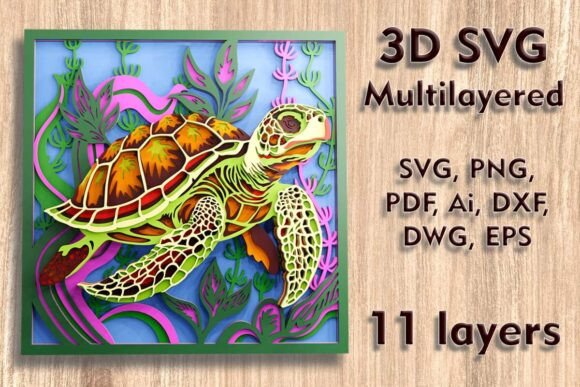
The intersection of digital design and physical crafting has opened new avenues for home decor enthusiasts, particularly through the use of layered vector graphics. Among these designs, the Sea Turtle 3D SVG Multilayer Cut Files have gained attention for their intricate aesthetic and versatility. This design features a mandala-inspired sea turtle, constructed from eleven distinct layers that create depth and visual interest when assembled. Understanding the technical specifications, material requirements, and machine compatibility is essential for anyone considering this project for personal use or commercial crafting.
Understanding the Design Structure
The core appeal of this specific file lies in its complexity and dimensionality. Unlike standard two-dimensional cutouts, this Sea Turtle 3D SVG Multilayer Cutting Files design relies on stacking to achieve a three-dimensional effect. The file consists of 11 separate layers, each carefully engineered to align with the others. When stacked, these layers produce shadows and highlights that mimic the organic curves of a sea turtle shell combined with the geometric precision of a mandala.
The default dimensions for this design are set at 9.85 inches wide by 9.85 inches high, which translates to approximately 250 mm x 250 mm. This size is generally considered optimal for wall art, allowing sufficient detail to be visible without overwhelming a standard living space. However, scalability is a critical factor. While the design can be increased in size relatively easily, users must exercise caution when reducing it. The intricate nature of the mandala patterns involves thin elements and delicate bridges. Scaling down too aggressively can result in these fine details becoming too fragile to cut cleanly or too small to assemble effectively, potentially compromising the structural integrity of the final piece.
Material Compatibility and Selection
One of the significant advantages of this multilayered SVG design is its adaptability to various materials. The files are compatible with a broad spectrum of substrates, including plywood, paper, cardstock, MDF, wood, acrylic, cardboard, and even aluminum. The choice of material significantly influences the final appearance and the difficulty of assembly.
- Plywood and MDF: These are popular choices for durable wall art. They provide rigidity and a natural aesthetic that complements the organic theme of the sea turtle. However, they require precise laser cutting or CNC routing to ensure clean edges.
- Paper and Cardstock: Ideal for greeting cards, shadow boxes, or lighter decor. These materials are easier to cut with blade-based machines like Cricut or Silhouette but lack the durability of wood.
- Acrylic: Offers a modern, sleek look with potential for transparency effects between layers. Acrylic requires specific laser settings to avoid melting or charring.
- Aluminum: For industrial or metallic finishes, thin aluminum sheets can be used, though this typically requires more advanced CNC capabilities.
Selecting the right material depends largely on the intended use. For a long-lasting home decor piece, wood-based materials are superior. For gift-giving or seasonal decorations, paper and cardstock offer cost-effectiveness and ease of production.
Machine Compatibility and File Formats
To accommodate a wide range of crafting tools, the purchase includes a ZIP folder containing multiple file formats: SVG, layered SVG files, DXF, DWG, EPS, AI, PNG, and PDF. This diversity ensures compatibility with most major cutting and engraving machines.
Cricut and Silhouette users will primarily utilize the SVG or DXF files. These blade-cutting machines excel with paper, cardstock, and thin vinyl. When using these machines, it is crucial to select materials that do not exceed the thickness capacity of the blade housing. The layered SVG files are particularly useful here, as they allow users to isolate each of the 11 layers for sequential cutting.
Laser cutter owners, such as those with Glowforge, OmTech, or xTool machines, will benefit from the DXF, AI, or PDF formats. Laser cutters provide the precision necessary for intricate wood and acrylic cuts. The kerf (the width of the cut made by the laser) must be accounted for during assembly to ensure tight fits between layers.
CNC router users can leverage the DXF or DWG files. CNC machines are ideal for thicker materials like hardwoods or MDF, offering robust results for larger-scale installations. However, CNC routing may require additional post-processing, such as sanding, to remove tool marks.
Benefits and Practical Considerations
The primary benefit of using Sea Turtle Mandala SVG files is the ability to create professional-grade decor without advanced sculpting skills. The digital file handles the complex geometry, allowing the crafter to focus on assembly and finishing. This makes it an excellent option for beginners looking to attempt 3D projects, as well as experienced makers seeking efficient workflows.
However, there are tradeoffs to consider. The assembly process for an 11-layer design is time-consuming. Each layer must be aligned precisely, often requiring adhesive application between every tier. Misalignment in the lower layers can compound errors in the upper layers, leading to a skewed final product. Patience and a steady hand are required.
Additionally, the cost of materials can accumulate. Using high-quality plywood or acrylic for all 11 layers may be expensive compared to single-layer projects. Crafters should calculate material usage beforehand to ensure the project remains within budget.
When This Design Is a Strong Fit
This design is particularly suitable for individuals interested in creating unique home wall decor. The mandala motif appeals to those who appreciate symmetry and spiritual or oceanic themes. It is also a strong candidate for gift-giving, as the handmade nature of layered art adds personal value. Furthermore, educators or workshop leaders might find this file useful for teaching precision cutting and assembly techniques, provided they use simpler materials like cardboard or foam board.
When to Consider Alternatives
While versatile, this design may not be ideal for every situation. If you are working with a low-power diode laser that struggles with deep engraving or thick cuts, the 11-layer depth might be challenging to achieve cleanly. In such cases, a design with fewer layers (3-5) might yield better results. Similarly, if you are using a basic blade cutter without a deep-cut blade, thick materials like MDF will be inaccessible, limiting your options to paper.
For those seeking rapid production, the assembly time required for 11 layers may be prohibitive. Simpler, single-layer SVGs or designs with fewer tiers offer a faster turnaround for bulk crafting or last-minute projects.
Final Decision-Making Insights
Evaluating whether the Sea Turtle 3D SVG Multilayer Cut Files align with your goals requires an honest assessment of your tools, skills, and timeline. If you possess a laser cutter or CNC machine and enjoy meticulous assembly, this file offers a high-reward project with stunning visual results. Ensure you respect the minimum size constraints to preserve the delicate details. Conversely, if you prefer quick projects or lack precision cutting equipment, you might find the complexity overwhelming.
Ultimately, this design serves as a bridge between digital precision and tactile craftsmanship. By understanding the material limitations and machine requirements, crafters can unlock the full potential of this multilayered artwork, transforming simple sheets of wood or paper into enchanting, dimensional decor.