Pyramids 3D SVG Multilayer Laser File: A Comprehensive Guide to Layered Crafting
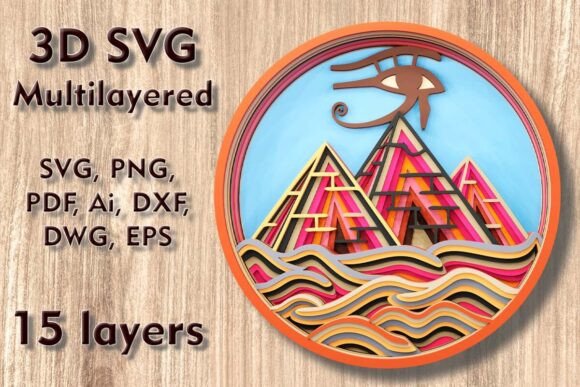
In the evolving landscape of digital fabrication and home decor, the demand for intricate, multi-dimensional designs has surged. Among the various options available to crafters and designers, the Pyramids 3D SVG Multilayer Laser File stands out as a sophisticated resource for creating depth and visual interest. This design is not merely a static image but a complex assembly of fifteen distinct layers that, when stacked, form a striking three-dimensional representation of pyramidal structures. For individuals exploring the intersection of traditional craftsmanship and modern technology, understanding the nuances of this specific file format is essential for achieving professional-grade results.
The core appeal of the Pyramids 3D SVG Multilayer Laser File lies in its versatility and structural integrity. Designed with a base dimension of 200 mm height by 200 mm width (approximately 8 x 8 inches), it offers a substantial canvas for wall art, tabletop displays, or gift items. However, the true value of this digital asset extends beyond its initial dimensions. It serves as a foundational template that can be adapted across various materials and machines, provided the user understands the technical constraints of scaling and material selection.
Understanding the Multilayer Architecture
Unlike standard two-dimensional cut files, the Pyramids Mundala Svg utilizes a layered approach to simulate depth. The design consists of 15 separate layers, each slightly different in shape and size. When these layers are stacked sequentially, they create a shadow-box effect that mimics the geometric precision of ancient architecture. This method requires precise alignment during assembly, but the reward is a piece of decor that changes appearance depending on the viewing angle and lighting conditions.
The complexity of having 15 layers means that tolerance and kerf—the width of the cut made by a laser or blade—are critical factors. When working with thicker materials like plywood or MDF, the cumulative height of the stack becomes significant. Crafters must consider how the adhesive thickness between layers will affect the final alignment. In contrast, using thinner materials such as paper or cardstock allows for a more delicate, refined look, suitable for greeting cards or intricate scrapbooking projects. The choice of material fundamentally alters the aesthetic outcome, making the same digital file capable of producing both robust wooden art pieces and fragile paper crafts.
Material Compatibility and Selection Tradeoffs
One of the most significant advantages of the Pyramids 3D SVG Multilayer Laser Cutting Files is their broad compatibility with various substrates. The file is optimized for use with plywood, paper, cardstock, MDF, wood, acrylic, cardboard, and even aluminum. Each material presents unique benefits and challenges that users must evaluate based on their intended application.
- Plywood and MDF: These are ideal for durable wall decor. They provide structural rigidity and a natural aesthetic. However, they require careful sanding to remove burn marks from laser cutting, and the layers must be glued with strong adhesives to prevent shifting over time.
- Paper and Cardstock: Best suited for Cricut or Silhouette users, these materials allow for rapid prototyping and lower-cost projects. The thinness of paper means that reducing the design size is risky, as intricate details may tear or become indistinguishable.
- Acrylic: Offers a modern, sleek look with transparency effects. Acrylic layers can create interesting light refractions, but they require specific laser settings to avoid melting edges and need specialized adhesives for bonding.
- Aluminum: For advanced users with CNC capabilities, aluminum provides an industrial, permanent finish. This is less common for home crafters but offers unparalleled durability for outdoor or high-traffic installations.
When selecting a material, consider the end-use environment. A wooden pyramid assembly is suitable for a living room statement piece, while a paper version might serve as an elegant, disposable centerpiece for an event. The flexibility of the file allows for this range, but it demands that the creator adjust their machine settings and assembly techniques accordingly.
Scaling Considerations: Increasing vs. Reducing Size
A common question among users is whether the design can be resized. The Pyramids 3D SVG Multilayer Laser File is designed with scalability in mind, but there are important limitations. The default size of 200 x 200 mm is a balanced starting point. Increasing the size is generally straightforward and often recommended for larger wall installations. As the design grows, the relative thickness of the material becomes less significant compared to the overall dimensions, making assembly easier and the details more pronounced.
However, reducing the design requires caution. The file contains thin elements that are essential to the geometric pattern. If the design is scaled down too much, these elements may become narrower than the kerf of the laser or the blade width of a cutting machine. This can result in broken pieces, lost details, or structural weakness. For instance, if you are using a laser cutter with a 0.2 mm kerf, scaling the design down by 50% might reduce some connecting bridges to less than 0.5 mm, making them prone to breaking during handling. Therefore, if a smaller footprint is required, it is advisable to test cut a single layer first to verify structural integrity before committing to the full 15-layer assembly.
Software and Machine Compatibility
Upon purchase, users receive a ZIP folder containing a comprehensive suite of file formats: SVG, layered SVG files, DXF, DWG, EPS, AI, PNG, and PDF. This variety ensures compatibility with a wide range of software and hardware ecosystems.
For users of Cricut or Silhouette machines, the SVG and PNG formats are particularly useful. These platforms handle vector graphics well, allowing for precise cutting of cardstock and vinyl. The layered SVG files are especially beneficial as they preserve the individual layer structure, enabling users to assign different colors or cut settings to each layer within the design software.
Laser cutter owners, such as those with Glowforge or industrial CO2 lasers, will find the DXF, DWG, and AI formats indispensable. These vector formats maintain the mathematical precision required for laser paths. The DXF format, in particular, is a universal standard for CAD software, making it easy to import into programs like LightBurn, RDWorks, or Illustrator for further customization. CNC router users can also utilize the DXF or DWG files to generate toolpaths for milling wood or acrylic, offering a different textural finish compared to laser cutting.
Decision Factors: Is This Design Right for You?
Choosing the Pyramids 3D SVG Multilayer Laser File depends on your skill level, equipment, and project goals. This design is an excellent choice for intermediate to advanced crafters who are comfortable with multi-step assembly processes. It is ideal for those looking to create high-impact home decor without needing to design complex geometric patterns from scratch.
However, it may not be the best option for beginners who are unfamiliar with layer alignment or adhesive application. The process of stacking 15 layers requires patience and precision. If you are new to layered crafting, you might consider starting with a design featuring fewer layers (e.g., 3–5) to master the technique before tackling this 15-layer pyramid.
Additionally, consider the time investment. Cutting 15 separate layers, regardless of the material, takes significantly longer than cutting a single-piece design. If you are producing items for sale or need quick turnaround times, factor in the cumulative cutting and assembly time. For hobbyists who enjoy the meditative process of crafting, this time investment is often part of the appeal.
Practical Applications and Creative Uses
The versatility of the Pyramids Mundala Svg allows for diverse applications beyond standard wall art. Here are a few practical examples:
- Home Decor: Create a focal point in a living room or office by mounting the finished wooden assembly on a contrasting background board. Adding LED strip lighting behind the layers can enhance the 3D effect.
- Gift Items: Use cardstock to create intricate greeting cards or book covers. The tactile nature of the layered paper adds a premium feel to handmade gifts.
- Educational Models: The geometric precision of the pyramids makes them suitable for educational purposes, demonstrating principles of geometry, architecture, or light and shadow in a classroom setting.
- Event Centerpieces: Produce multiple smaller versions using acrylic or colored paper for weddings or corporate events. These can be customized with brand colors or thematic elements.
In conclusion, the Pyramids 3D SVG Multilayer Laser File offers a robust solution for creators seeking to add dimension and sophistication to their projects. By understanding the material tradeoffs, scaling limitations, and assembly requirements, users can leverage this design to produce high-quality, professional-looking artifacts. Whether you are a laser cutting enthusiast or a paper crafting artist, this file provides a structured pathway to creating enchanting, multilayered works of art.