Creating Depth with Pumpkins 3D SVG Multilayer Laser Files: A Guide to Layered Autumn Decor
The transition into autumn brings a distinct shift in home aesthetics, moving from the bright minimalism of summer to warmer, textured environments. For crafters and designers, this season offers a unique opportunity to experiment with depth and shadow through layered art. Pumpkins 3D SVG Multilayer Laser Files represent a sophisticated approach to seasonal decor, moving beyond flat silhouettes to create tangible, three-dimensional wall art. This design methodology relies on stacking multiple cut layers to generate shadows and perspective, transforming simple materials like plywood or cardstock into intricate visual statements.
Understanding the mechanics and potential of these files is essential for anyone looking to elevate their crafting projects. Whether you are using a desktop cutting machine or a professional laser cutter, the success of the final piece depends on material selection, layer management, and an appreciation for the specific constraints of multilayer designs.
The Mechanics of Multilayer Design
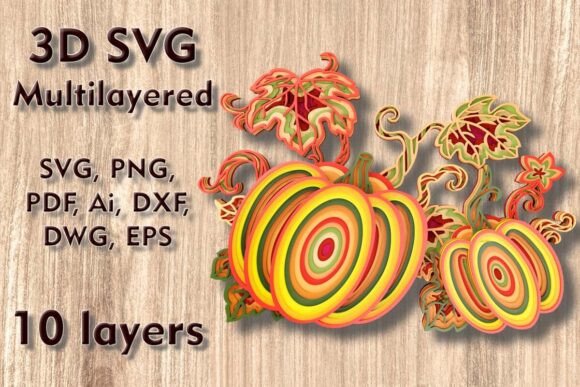
At its core, a 3D multilayer SVG design is an exercise in spatial planning. The Pumpkins Mandala SVG discussed here consists of 12 separate layers. Each layer serves a specific purpose, acting as either a foreground element, a background support, or a shadow caster. When assembled, these layers create a parallax effect that gives the illusion of depth. This is significantly different from standard single-layer cutouts, which rely entirely on color and shape for visual interest.
The specific dimensions of this design are 228 mm height by 300 mm width (approximately 9 x 11.8 inches). This size is strategic; it is large enough to serve as a standalone piece of wall decor or a substantial gift, yet compact enough to fit within the working areas of most hobbyist machines. However, scalability is a critical consideration. While the design can be easily increased in size for larger installations, reducing the design requires caution. As the overall footprint shrinks, the thin elements within the intricate mandala patterns may become too fragile to cut cleanly or may break during the weeding and assembly process. Maintaining the structural integrity of these fine details is paramount when adjusting scale.
Material Selection and Compatibility
One of the strongest advantages of this file format is its versatility across various materials. The choice of substrate fundamentally alters the aesthetic and durability of the final product. The supported materials include plywood, paper, cardstock, MDF, wood, acrylic, cardboard, and even aluminum.
- Wood and Plywood: Using natural woods like birch plywood or MDF creates a rustic, organic feel that aligns well with autumn themes. The natural grain adds texture that complements the geometric precision of the laser cuts. However, wood requires careful handling to avoid burn marks on the edges, and thicker materials may require stronger adhesives to hold the 12 layers together securely.
- Paper and Cardstock: For a more delicate, artistic look, paper layers allow for subtle color gradients. By using different shades of orange, brown, and cream, crafters can enhance the 3D effect without relying solely on shadow. This approach is ideal for framed art or greeting cards but lacks the durability of wood for high-traffic areas.
- Acrylic and Aluminum: These modern materials offer a sleek, contemporary twist. Acrylic can provide translucent effects if backlit, while aluminum offers an industrial chic vibe. These materials are more challenging to cut and may require specialized equipment settings, making them better suited for experienced users with CNC or high-power laser capabilities.
When selecting materials, consider the thickness. Standard 3mm plywood is common for laser cutting, but if you are using a Cricut or Silhouette with cardstock, the total thickness of 12 layers will be minimal. Conversely, 12 layers of 3mm wood will result in a piece nearly 4cm deep, requiring a robust mounting strategy.
Machine Compatibility and Workflow
The utility of Pumpkins 3D SVG Multilayer Laser Cutting Files extends across a broad spectrum of fabrication tools. The included ZIP folder provides formats such as SVG, layered SVG, DXF, DWG, EPS, AI, PNG, and PDF. This comprehensive format support ensures compatibility with nearly every major cutting and design platform.
For users of Cricut or Silhouette machines, the layered SVG files are particularly valuable. These files often preserve the layer structure, allowing users to assign different cut colors to each layer automatically. This streamlines the workflow, eliminating the need to manually separate shapes in design software. However, users must ensure their machines can handle the complexity of 12 distinct cuts without shifting the material between passes.
Laser cutters, such as the Glowforge or industrial CO2 lasers, excel with these files due to their precision and ability to cut thicker materials like wood and acrylic. The DXF and DWG formats are ideal for CNC routers and professional laser software, offering vector precision that ensures clean edges and accurate alignment. The key difference lies in the finishing; laser-cut wood may have charred edges that some find desirable for a rustic look, while blade-cut paper offers crisp, clean lines.
Evaluating the Investment: Time vs. Impact
Choosing to work with a 12-layer design involves a tradeoff between effort and visual impact. Simpler, single-layer pumpkin designs are faster to produce and easier to assemble, making them suitable for bulk production or quick decorations. In contrast, the Pumpkins Mandala SVG requires patience. Each of the 12 layers must be cut, cleaned, and aligned precisely. Misalignment in early layers can compound errors in subsequent layers, ruining the 3D effect.
However, the resulting depth and intricacy offer a level of sophistication that flat designs cannot match. This makes the multilayer approach ideal for:
- Feature Wall Art: A large, layered piece serves as a focal point in a living room or entryway.
- High-Value Gifts: The time-intensive nature of the project translates to perceived value, making it a thoughtful gift for friends and family.
- Portfolio Pieces: For professional crafters, demonstrating the ability to execute complex multilayer assemblies showcases technical skill.
If you are looking for a quick weekend project, a simpler design might be more appropriate. But if you seek a centerpiece that captures the essence of the season through texture and shadow, the investment in time is justified.
Design Considerations and Best Practices
To achieve the best results with Pumpkins 3D SVG Multilayer Laser Files, attention to detail during the assembly phase is crucial. Start by organizing your layers numerically. Labeling each piece immediately after cutting prevents confusion later. Use a lightbox or a bright window to help align the layers accurately, especially when working with opaque materials like wood where you cannot see through to the layer below.
Adhesive choice is another critical factor. For paper and cardstock, spray adhesives or double-sided tape sheets provide a uniform bond without warping the material. For wood and MDF, wood glue or strong craft adhesives like E6000 are necessary to support the weight of the upper layers. Apply adhesive sparingly to avoid seepage, which can stain visible edges.
Additionally, consider the framing. A deep-shadow box frame is often the best housing for 3D layered art. It protects the delicate protruding layers from dust and damage while enhancing the shadow play by providing a enclosed space. Ensure the frame depth accommodates the total thickness of your chosen material multiplied by the 12 layers.
Making the Right Choice for Your Project
Ultimately, the decision to use Pumpkins 3D SVG Multilayer Laser Files depends on your resources, skills, and desired outcome. If you have access to a laser cutter or a precise blade machine and enjoy the meditative process of assembly, this design offers a rewarding challenge. It bridges the gap between digital design and tactile craftsmanship, allowing for personalized expression through material and color choices.
For those new to layered crafting, starting with paper or cardstock can help master the alignment techniques before moving to more expensive materials like wood or acrylic. The availability of multiple file formats ensures that regardless of your toolset, you can adapt the design to your capabilities. By understanding the limitations regarding scaling and the requirements for precise assembly, you can transform these digital files into enchanting home decor that celebrates the depth and beauty of the autumn season.