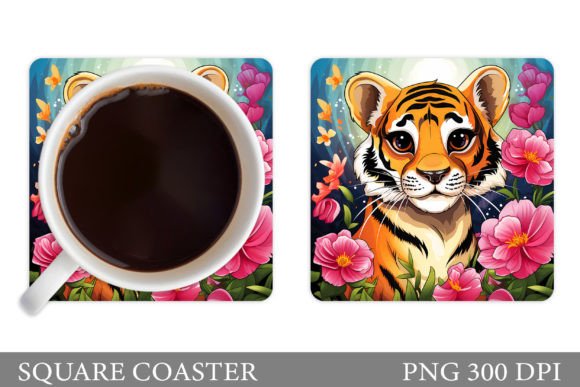
Mastering the Art of Cute Tiger Coaster Sublimation for Flawless Results
The appeal of sublimation printing lies in its ability to turn digital creativity into tangible, vibrant products. Among the most popular items for crafters and small business owners are drink coasters, specifically those featuring whimsical animal designs. The Cute Tiger Coaster Sublimation trend has gained significant traction because it combines high-quality imagery with a product that is both functional and highly giftable. However, achieving professional-grade results requires more than just downloading a file and hitting print. Many enthusiasts encounter issues with color accuracy, image clarity, or durability because they overlook critical technical details.
Understanding the nuances of this process can save you time, money, and frustration. Whether you are a beginner looking to start a side hustle or an experienced creator refining your workflow, recognizing common pitfalls is the first step toward excellence. This guide explores the essential aspects of working with tiger-themed coaster designs, helping you avoid typical errors and ensuring your final product meets high standards.
Understanding the Design Specifications
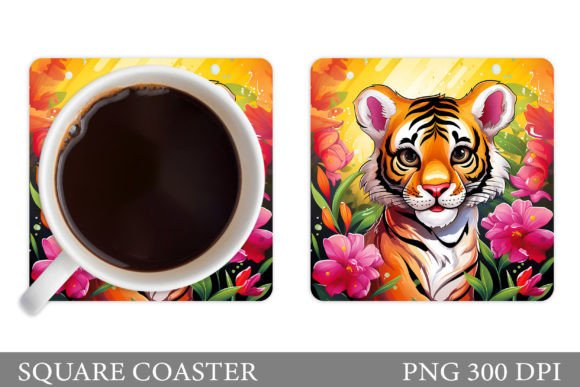
One of the most frequent misunderstandings involves the source files. When you purchase or download a design labeled as Cute Tiger Coaster Sublimation, you must verify the technical specifications before proceeding. A common mistake is assuming that any image found online is suitable for printing. In reality, sublimation requires high-resolution assets to prevent pixelation. The ideal file should be a PNG with a transparent background, rendered at 300 DPI (dots per inch).
For instance, a standard coaster size is often 4x4 inches. If you attempt to stretch a low-resolution image to fit this space, the resulting print will appear blurry or jagged, especially around the detailed fur patterns of a tiger. Always check that your zip file includes a PNG file with the correct dimensions and resolution. Using a 72 DPI web image will result in a poor-quality product that fails to impress customers or recipients. Taking a moment to inspect the file properties can prevent wasted substrates and ink.
Color Management and Printer Settings
Sublimation ink behaves differently than standard printer ink. It turns into gas under heat and bonds with the polymer coating of the coaster. This process can sometimes lead to color shifts if not managed correctly. A prevalent issue among beginners is ignoring the color profile settings in their design software. Tigers feature rich oranges, deep blacks, and subtle whites. If your printer is set to standard RGB instead of the recommended CMYK or specific sublimation profiles, the orange hues may appear muddy or too bright.
To avoid this, always perform a test print on regular paper before using expensive sublimation paper. Compare the test print to your screen calibration. Additionally, ensure you are using "Mirror Image" or "Flip Horizontal" settings in your printer driver. Forgetting to mirror the image is a classic error that results in reversed text or asymmetrical designs, which can ruin the aesthetic of a cute tiger face. While images without text are less susceptible to this error, symmetry checks are still vital for balanced compositions.
Heat Press Techniques for Durability
The application phase is where many projects succeed or fail. Even with a perfect Cute Tiger Coaster Sublimation design, improper heat press settings can lead to ghosting, scorch marks, or incomplete transfers. Ghosting occurs when the sublimation paper shifts during the pressing process, creating a faint double image. This is particularly noticeable in high-contrast areas like the tiger’s eyes or stripes.
To prevent shifting, use high-temperature heat-resistant tape to secure the paper firmly to the coaster blank. Do not rely solely on the weight of the heat press. Furthermore, ensure your heat press platen is perfectly level. An uneven press will cause some areas to receive insufficient heat, leading to washed-out colors, while other areas may burn. Typical settings for ceramic coasters range from 380°F to 400°F for 150 to 180 seconds, but these can vary based on your specific equipment and blank supplier. Always consult the manufacturer’s guidelines for the coaster blanks you are using.
Choosing the Right Blanks
Not all coasters are created equal. Sublimation only works on items with a specialized polymer coating. Using uncoated ceramic or stone tiles will result in the ink wiping right off. When sourcing materials, look for blanks specifically marketed for sublimation. High-quality blanks will have a smooth, white coating that accepts ink evenly. Cheaper alternatives may have uneven coatings, leading to blotchy prints where the tiger’s fur appears patchy.
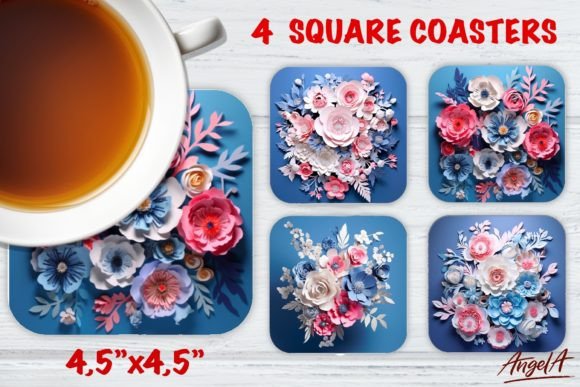
Additionally, consider the shape and edge finish. Some coasters have rounded edges, while others are square. Ensure your design file matches the shape of your blank. If you are using a 4x4 square coaster, make sure your PNG file is cropped appropriately so that no critical parts of the tiger’s face are cut off or wrapped awkwardly around the edges. Consistency in your blank selection helps maintain uniform quality across your product line.
Post-Press Handling and Quality Control
After the heat press cycle completes, patience is key. Removing the protective tissue and sublimation paper while the coaster is still hot can cause smudging or burns. Allow the item to cool completely before handling. This cooling period allows the ink to fully set within the polymer layer. Rushing this step can compromise the vibrancy and longevity of the print.
Once cooled, inspect each coaster for defects. Look for white spots, which indicate dust or debris on the blank before pressing, or dark streaks, which may suggest dirty heat press plates. Keeping your workspace clean and your equipment maintained is part of professional practice. A quick wipe-down of the heat press platen between batches can prevent residue buildup that might transfer onto your cute tiger designs.
Maximizing Value and Presentation
For entrepreneurs and gift-givers, presentation matters. A well-printed coaster deserves equally thoughtful packaging. Consider adding a thank-you note or branding element to enhance the customer experience. Since the zip file you downloaded likely serves as the core asset, leveraging it across multiple marketing channels can increase visibility. Use high-quality photos of your finished coasters in natural light to showcase the true colors of the tiger design.
Remember, the goal is to create a product that brings joy. The charm of a Cute Tiger Coaster Sublimation piece lies in its detail and vibrancy. By paying attention to file resolution, color management, heat press precision, and material quality, you ensure that every coaster meets high standards. This diligence not only improves satisfaction for end-users but also builds your reputation as a skilled creator. Avoiding these common mistakes transforms a simple crafting hobby into a reliable, professional endeavor.
Ultimately, success in sublimation comes from respecting the technical requirements of the medium. Take the time to learn your equipment, verify your files, and refine your process. With practice and attention to detail, you will produce stunning tiger coasters that stand out for their quality and charm.