Mastering 3D Tiger Coaster Sublimation for Professional Results
In the evolving landscape of personalized merchandise, the demand for high-quality, visually striking home accessories has never been higher. Among the most captivating trends in this sector is 3D Tiger Coaster Sublimation. This technique allows creators to produce vibrant, lifelike images that seem to pop off the surface, offering a depth and realism that traditional flat printing often lacks. For small business owners, hobbyists, and professional designers, understanding the nuances of this process is essential for delivering products that not only meet but exceed customer expectations.
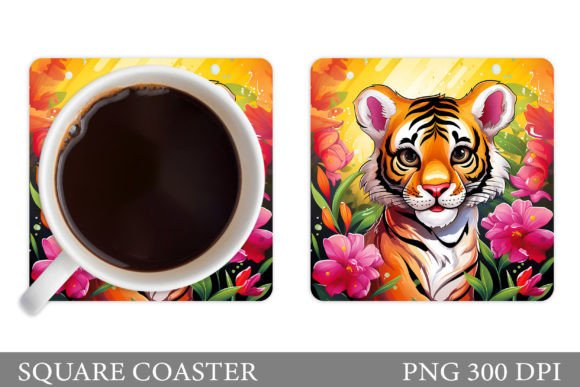
The appeal of the tiger motif lies in its universal recognition and symbolic power. Tigers represent strength, beauty, and mystery, making them a perennial favorite in decorative arts. When combined with sublimation technology, these attributes are enhanced through vivid color reproduction and durable finishes. Whether you are creating a Cute Tiger Coaster Sublimation design for a children’s room or a fierce, realistic portrait for a modern living space, the technical foundation remains the same, but the artistic approach varies significantly.
Understanding the Core Technology
Sublimation printing is a digital printing process that uses heat and pressure to transfer dye onto materials such as fabric, plastic, or coated metals. Unlike standard inkjet printing, which sits on top of the substrate, sublimation ink turns into a gas under heat and bonds with the polymer fibers of the material. This results in a print that is permanent, resistant to fading, and seamless to the touch.
When we refer to 3D Tiger Coaster Sublimation, we are typically discussing two distinct aspects: the visual illusion of three-dimensionality created through skilled graphic design, and the physical application of that design onto a coaster blank. The "3D" effect is achieved through careful shading, perspective, and layering in the digital file. A well-designed PNG file, such as the one included in many premium design packs, will feature high-resolution details at 300 dpi. This resolution is critical because it ensures that when the image is printed and transferred, there are no pixelated edges or blurry areas, preserving the intricate details of the tiger’s fur and eyes.
The Importance of High-Resolution Assets
The quality of your final product is directly proportional to the quality of your source file. A standard requirement for professional sublimation is a minimum of 300 dots per inch (dpi). Files with lower resolutions may look acceptable on a computer screen but will appear grainy or distorted when printed on a physical object. The zip files available for purchase often include a single, optimized PNG file sized correctly for standard coasters, typically 4x4 inches. This specific dimension is industry-standard for square coasters, ensuring a perfect fit without the need for excessive cropping or resizing, which can degrade image quality.
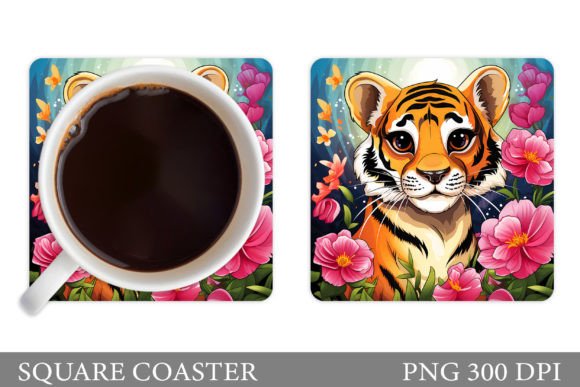
For those exploring Cute Tiger Coaster Sublimation, the design principles shift slightly. While realism relies on accurate anatomy and lighting, cute designs often utilize exaggerated features, softer color palettes, and simplified lines. However, the technical requirement for 300 dpi remains unchanged. A cute cartoon tiger must be just as sharp and clear as a photorealistic one to maintain a professional appearance.
Practical Applications and Target Audience
Who benefits from mastering 3D Tiger Coaster Sublimation? The audience is diverse, ranging from individual crafters looking to personalize their homes to entrepreneurs building a brand around unique home decor.
- Small Business Owners: For Etsy sellers or local boutique owners, offering unique coaster designs can differentiate their store from competitors who use generic, mass-produced items. A specialized niche like tiger-themed decor can attract a dedicated customer base.
- Interior Designers: Professionals often seek custom accessories to complete a room’s theme. A set of high-quality tiger coasters can serve as an accent piece in a safari-themed lounge or a modern eclectic living room.
- Gift Givers: Personalized items carry emotional weight. A coaster set featuring a favorite animal can be a thoughtful gift for birthdays, housewarmings, or holidays.
- Educators and Parents: Cute tiger designs can be used in educational settings to engage children or as part of a themed bedroom decor that stimulates imagination.
The versatility of these products means they are not limited to holding beverages. They can serve as decorative pads for plants, bases for candles, or even protective layers for delicate furniture surfaces. Understanding these varied use cases helps creators market their products more effectively.
Step-by-Step Workflow for Success
Achieving a flawless result requires attention to detail at every stage of the process. Here is a practical guide to executing a successful sublimation project using a 3D Tiger Coaster Sublimation design.
- Preparation of Materials: Ensure your coaster blanks are polyester-coated or made from sublimation-ready materials. Standard ceramic or stone coasters will not work unless they have a specialized polymer coating. Clean the surface with alcohol to remove any oils or dust.
- Image Processing: Open your PNG file in your preferred design software. Mirror the image horizontally. This step is crucial because the design will be transferred face-down onto the coaster. If you do not mirror it, your tiger will appear backward.
- Printing: Use sublimation-specific ink and paper. Regular inkjet ink will not sublimate. Print the mirrored image at 100% scale to ensure the 4x4 dimensions are maintained. Allow the ink to dry completely to prevent smudging.
- Heat Press Setup: Preheat your heat press to the recommended temperature, usually around 385°F to 400°F (196°C to 204°C), depending on the manufacturer’s guidelines for your specific blanks. Set the timer for approximately 60 to 90 seconds.
- Transfer Process: Place the coaster on the heat press. Position the printed paper face-down on the coaster. Secure it with heat-resistant tape to prevent shifting. Cover with a Teflon sheet or parchment paper to protect the press plates. Apply firm, even pressure.
- Cooling and Finishing: Once the timer goes off, carefully remove the hot paper using tongs or heat-resistant gloves. The image may look dull initially; this is normal. As the coaster cools, the colors will vibrantize. Peel the paper away gently to reveal your finished Cute Tiger Coaster Sublimation or realistic design.
Evaluating Suitability and Managing Expectations
While sublimation offers many advantages, it is important to understand its limitations. Not every project is suitable for this method. For instance, sublimation works best on light-colored substrates. Printing a 3D Tiger Coaster Sublimation design on a black coaster will result in the colors being muted or invisible, as the dye cannot override the dark background. Always choose white or very light-colored blanks for the best vibrancy.
Additionally, the durability of the product depends on proper care. Although sublimated images are permanent and won’t peel or crack, they can be susceptible to scratching if abrasive cleaners are used. Educating customers on hand-washing recommendations can extend the life of the product and maintain its aesthetic appeal.
Another consideration is the cost versus value proposition. High-quality sublimation blanks and inks can be more expensive than standard printing materials. However, the perceived value of a custom, high-resolution item allows for a higher retail price point. Customers are often willing to pay more for a product that feels unique and professionally crafted.
Design Variations and Creative Freedom
The term "3D" in 3D Tiger Coaster Sublimation can also refer to the style of the artwork. Some designers prefer a hyper-realistic approach, utilizing complex shadows and highlights to create depth. Others may opt for a stylized 3D render, which looks like a computer-generated model. Both styles have their place in the market.
For a Cute Tiger Coaster Sublimation design, you might incorporate additional elements such as flowers, balloons, or geometric patterns to enhance the playful nature of the image. Layering these elements in your design software before printing allows for a customized look that stands out. The key is to maintain balance; too many elements can clutter the small 4x4 canvas, while too few may look sparse.
Experimenting with backgrounds is another way to add value. Instead of a plain white background, consider using subtle gradients or textures that complement the tiger’s colors. Orange and black tones can be accentuated with warm earthy backgrounds, while a cute pastel tiger might pop against a soft blue or pink backdrop.
Conclusion
Mastering 3D Tiger Coaster Sublimation is a rewarding endeavor that blends technical skill with artistic creativity. By focusing on high-quality assets, such as 300 dpi PNG files, and adhering to precise printing and pressing protocols, creators can produce stunning, durable products. Whether you are drawn to the fierce beauty of a realistic tiger or the charm of a Cute Tiger Coaster Sublimation design, the principles of sublimation remain consistent.
Success in this field requires a commitment to quality and a willingness to learn from each project. As you refine your technique, you will find that the possibilities for customization are nearly endless. From personal gifts to commercial product lines, these coasters offer a tangible way to share art and functionality. Thank you for visiting my store and exploring the potential of sublimation printing. With the right tools and knowledge, you can transform simple blanks into cherished keepsakes.
Remember to always test new designs on sample blanks before committing to large batches. This practice ensures consistency and helps identify any adjustments needed in color profiles or press settings. By prioritizing people-first content and practical advice, we aim to empower creators to achieve professional results in their sublimation journey.