Creating Depth with Flying Witch 3D SVG Multilayered Files: A Guide for Crafters
The intersection of digital design and physical crafting has opened new avenues for home decor enthusiasts, particularly those interested in seasonal themes. Among the most intriguing options available today are Flying Witch 3D SVG Multilayered Files. These designs offer a unique approach to Halloween and autumnal decoration, moving beyond flat silhouettes to create tangible depth and shadow play. For crafters evaluating their next project, understanding the specific mechanics, material requirements, and machine compatibility of these files is essential for achieving professional-quality results.
Understanding the Multilayered Design Structure
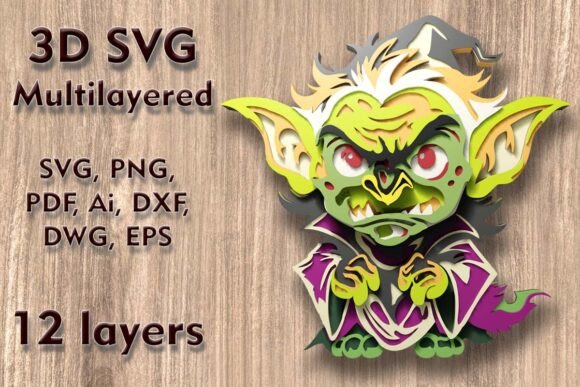
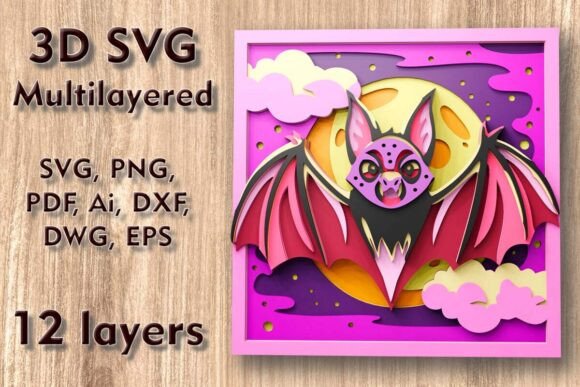
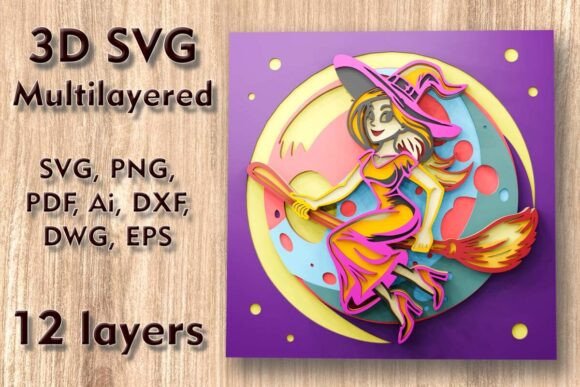
At its core, a 3D multilayered SVG is not a single image but a composite of several distinct vector paths stacked upon one another. The Flying Witch Mandala SVG typically consists of 12 separate layers. This high layer count is what generates the intricate three-dimensional effect. Each layer represents a different depth plane, allowing light to catch edges and cast shadows that change depending viewing angles.
When you purchase these files, you receive a comprehensive ZIP folder containing multiple formats, including SVG, layered SVG, DXF, DWG, EPS, AI, PNG, and PDF. This variety ensures compatibility across a broad spectrum of cutting technologies. Whether you are using a desktop die-cutting machine like a Cricut or Silhouette, or an industrial-grade laser cutter or CNC router, the file formats provided are tailored to integrate seamlessly into your workflow. The inclusion of DXF and DWG files, for instance, is particularly valuable for users operating CAD-based CNC systems, while standard SVGs remain the gold standard for consumer-level cutting plotsters.
Material Selection and Its Impact on Final Quality
One of the most critical decision points in executing a 3D layered design is material selection. The Flying Witch 3D SVG Multilayer Laser Cutting Files are versatile enough to be cut from a wide array of substrates, including plywood, paper, cardstock, MDF, wood, acrylic, cardboard, and even aluminum. However, the choice of material significantly influences both the aesthetic outcome and the technical difficulty of the project.
- Plywood and Wood: Ideal for permanent wall art. Wood offers natural grain textures that enhance the rustic, magical feel of a witch-themed mandala. However, wood requires precise laser calibration to avoid charring edges, which can obscure fine details.
- Paper and Cardstock: Best for framed shadow boxes or greeting cards. These materials are easier to cut on blade-based machines like Cricut or Silhouette. They allow for vibrant color layering but lack the structural rigidity of wood, requiring a backing frame for support.
- Acrylic: Provides a modern, sleek look with potential for translucency. Acrylic layers can create interesting light-refraction effects but require specific laser settings to prevent melting or cracking.
- MDF and Cardboard: Cost-effective alternatives for large-scale prototypes or temporary decor. MDF cuts cleanly but produces dust, while cardboard offers a textured, eco-friendly aesthetic.
It is important to note that thinner materials like paper allow for tighter tolerances between layers, whereas thicker materials like 3mm plywood may require slight adjustments in spacing to ensure the layers stack flush without bulging.
Size Considerations and Scaling Limitations
The standard dimensions for this specific design are 270 mm height x 270 mm width (approximately 10.63 x 10.63 inches). This size is well-suited for standard shadow box frames and mid-sized wall displays. One of the advantages of vector-based SVG files is scalability; the design can be easily increased in size without loss of quality. This makes it suitable for larger statement pieces if you have the corresponding material sheet size and machine bed capacity.
However, reducing the design size presents significant challenges. The Flying Witch 3D SVG Multilayered Files contain thin elements and intricate mandala patterns. When scaling down, these delicate features may become too narrow for certain cutting tools. For example, a laser beam has a kerf width (the width of the cut), and if a design element is narrower than the kerf, it may burn away entirely or fail to cut cleanly. Similarly, blade-based machines may struggle to pivot sharply enough to cut extremely small details, leading to torn paper or jagged wood edges. Therefore, while enlargement is generally safe, reduction should be approached with caution, keeping the integrity of the thinnest lines in mind.
Machine Compatibility: Laser vs. Blade Cutters
Choosing the right tool for the job is paramount when working with 12-layer designs. The Flying Witch Mandala SVG is marketed as compatible with Cricut, Silhouette, Glowforge, and other CNC machines, but the user experience varies significantly between these technologies.
Laser Cutters (e.g., Glowforge, xTool, Industrial CO2 Lasers): Laser cutters excel at handling complex, multilayered designs because they do not rely on physical blade movement. They can cut intricate internal shapes and sharp corners with high precision. For wood, acrylic, and MDF, lasers are often the superior choice. They also handle the registration of 12 layers more consistently, as there is no blade drag or material shifting during the cut. However, laser cutting requires proper ventilation and safety measures, especially when cutting plastics or treated woods.
Blade Cutters (e.g., Cricut, Silhouette): These machines are more accessible for hobbyists and are ideal for paper, cardstock, and thin vinyl. When using blade cutters for a 12-layer project, time management becomes a factor. Each layer must be cut individually, which can be time-consuming. Additionally, aligning 12 layers of paper or cardstock requires meticulous attention to detail. Users often employ registration marks or pinning systems to ensure perfect alignment. While blade cutters are less effective for thick wood or acrylic, they offer a lower barrier to entry for those wanting to create framed paper art.
Evaluating the Project: Time, Cost, and Skill Level
Before committing to this project, it is wise to evaluate the resource investment required. A 12-layer design is not a quick craft; it is a substantial undertaking. The assembly process involves gluing or spacing each layer precisely. This requires patience and a steady hand. For beginners, starting with fewer layers or practicing alignment techniques on simpler designs might be beneficial before tackling the full Flying Witch 3D SVG Multilayered Files complexity.
Cost-wise, the expense depends largely on the material. Paper and cardstock are inexpensive, making this a low-risk project for experimentation. Plywood and acrylic, while more durable and visually striking, come at a higher material cost. Furthermore, if using a laser cutting service rather than owning a machine, the cost per minute of cutting time can add up quickly for intricate designs with many internal cutouts.
When Is This Design the Right Choice?
The Flying Witch 3D SVG Multilayered Files are an excellent choice for crafters looking to create high-impact seasonal decor that stands out from mass-produced items. They are particularly well-suited for:
- Home Decor Enthusiasts: Those who want unique, conversation-starting wall art that reflects personal craftsmanship.
- Gift Makers: A handmade, layered wooden or paper piece makes a thoughtful and personalized gift for friends and family who appreciate artisanal work.
- Skill Builders: Crafters looking to advance their skills in multi-material handling, precise alignment, and complex assembly.
Conversely, this design may not be the best fit for those seeking quick, last-minute decorations or individuals without access to precise cutting tools. If you lack a laser cutter or a high-quality blade machine, the manual cutting of 12 intricate layers would be prohibitively time-consuming and likely yield inconsistent results.
Final Thoughts on Crafting with Layered SVGs
In the realm of digital crafting, Flying Witch 3D SVG Multilayered Files represent a blend of artistic vision and technical precision. They offer a pathway to creating sophisticated, dimensional art that leverages the capabilities of modern cutting machines. By carefully considering material choices, respecting size limitations, and selecting the appropriate cutting technology, crafters can transform these digital files into enchanting physical objects. Whether you choose the warmth of wood or the vibrancy of paper, the key to success lies in patience and attention to detail, ensuring that each of the 12 layers contributes to the overall magical effect.