Tree of Life 3D SVG Multilayer Cut Files
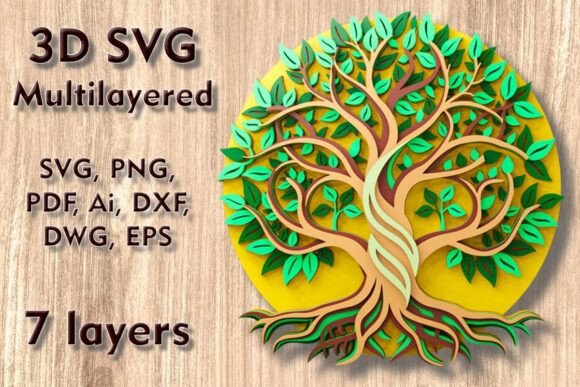
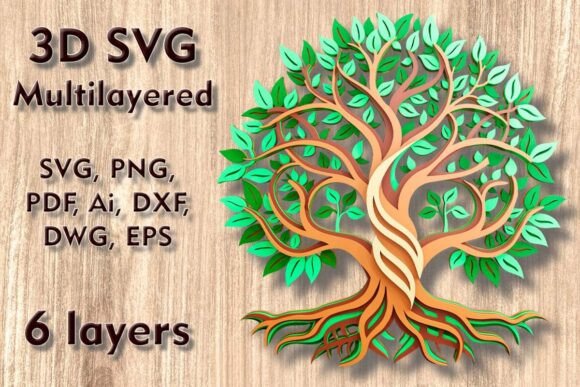
The Tree of Life 3D SVG Multilayer Cut Files represent a sophisticated approach to digital crafting, bridging the gap between two-dimensional design and tangible, dimensional art. This specific design package is engineered for creators who utilize computer-controlled cutting machines, such as laser cutters, CNC routers, or blade-based plotters like Cricut and Silhouette. At its core, this product is not merely a single image but a complex assembly of six distinct layers that, when stacked, create a mandala-inspired Tree of Life motif with significant depth and visual interest.
For hobbyists and professional makers alike, understanding the technical specifications and material requirements of these files is essential before beginning a project. The design is provided in a standard size of 203 x 203 mm (8.5 x 8.5 inches), a dimension chosen for its versatility in home decor applications. However, the utility of this file extends beyond its default dimensions, offering flexibility for various creative outputs while demanding careful attention to scaling constraints.
Understanding the Design Structure and Compatibility
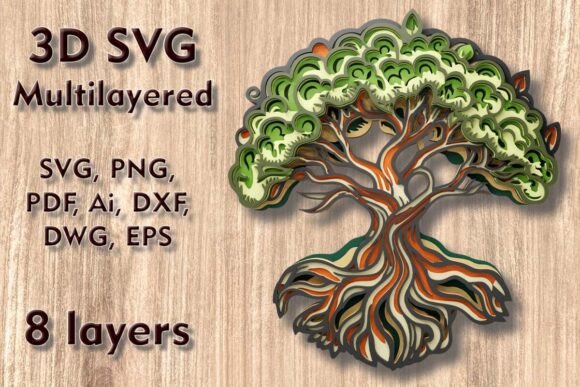
The primary appeal of the Tree of Life 3D SVG Multilayer Laser Cutting Files lies in their layered architecture. The design consists of six separate layers, each contributing to the overall three-dimensional effect. This multilayered structure allows light and shadow to play across the surface of the finished piece, creating a dynamic visual experience that flat vector art cannot achieve. The "Mandala" aspect of the design introduces radial symmetry and intricate detailing, which requires precise cutting capabilities to render accurately.
Compatibility is a critical factor for any digital asset. Upon purchase, users receive a ZIP folder containing a comprehensive suite of file formats, including SVG, layered SVG files, DXF, DWG, EPS, AI, PNG, and PDF. This broad format support ensures that the design can be integrated into virtually any workflow. For instance, SVG and EPS files are ideal for users of Cricut Design Space or Silhouette Studio, while DXF and DWG formats are standard for industrial CNC machining and high-end laser software. The inclusion of AI and PDF files also supports graphic designers who may wish to incorporate elements of the tree into broader print projects or further modify the vector paths in Adobe Illustrator.
Material Considerations and Machine Selection
Selecting the appropriate material is perhaps the most significant decision in executing this design successfully. The Tree of Life 3D SVG Multilayer Cut Files are compatible with a wide range of substrates, including plywood, paper, cardstock, MDF, wood, acrylic, cardboard, and even aluminum. However, the choice of material dramatically alters the final aesthetic and the technical approach required.
- Wood and Plywood: These are the most common choices for permanent wall decor. Birch plywood, in particular, offers a clean grain and consistent density that cuts well on laser machines. The natural contrast between the layers can be enhanced with staining or painting.
- Paper and Cardstock: Ideal for greeting cards, shadow boxes, or temporary decorations. Paper layers allow for intricate details that might be too fragile in wood, but they require precise adhesive application to maintain alignment.
- Acrylic and Aluminum: These materials offer a modern, sleek look. Acrylic provides transparency and color depth, while aluminum adds an industrial feel. Note that cutting metal requires specialized fiber lasers or CNC milling, not standard CO2 lasers used for wood.
The machine used also dictates the outcome. Laser cutters and CNC routers excel at producing the sharp, clean edges necessary for the intricate branches of the Tree of Life. Blade cutters like Cricut or Silhouette can handle this design, particularly when using cardstock or thin vinyl, but users must ensure their machine can handle the complexity of the inner cuts without tearing the material.
Scaling and Technical Constraints
One of the notable features of this design is its scalability. The base size of 8.5 x 8.5 inches is easily increased, allowing creators to produce large statement pieces for living rooms or entryways. When upscaling, the structural integrity of the design generally improves, as the individual elements become larger and more robust.
However, reducing the design requires extreme caution. The Tree of Life 3D SVG Multilayer Cut Files contain thin elements inherent to the branch and leaf structures. If the design is scaled down significantly, these thin vectors may become narrower than the kerf (cut width) of the laser or the blade tip of a plotter. This can result in broken pieces, incomplete cuts, or a loss of detail that compromises the artistic integrity of the mandala. Creators should always perform test cuts at smaller sizes to determine the minimum viable dimension for their specific machine and material combination.
Evaluating the Benefits and Tradeoffs
When considering whether this design aligns with your crafting goals, it is important to weigh the benefits against the operational challenges.
Benefits:
- Visual Impact: The 3D effect creates a high-end, custom look that surpasses standard flat decals or prints.
- Versatility: The multiple file formats and material compatibility allow for diverse applications, from wedding gifts to corporate decor.
- Customization: Because the files are editable vectors, users can change colors, remove layers, or adjust spacing to suit their preferences.
Tradeoffs and Considerations:
- Assembly Time: Creating a 3D piece involves cutting six separate layers and assembling them with precision. This requires patience, accurate alignment tools, and suitable adhesives.
- Material Waste: Intricate designs often result in higher material waste compared to simpler shapes, especially when nesting parts inefficiently.
- Machine Maintenance: Cutting intricate wood or acrylic designs can lead to increased soot or residue on lenses and blades, requiring more frequent maintenance.
Ideal Use Cases and Alternatives
This design is a strong fit for creators looking to produce enchanted home wall decor, unique gifts, or seasonal decorations. It is particularly effective for those who enjoy the process of assembly and finishing, as the value of the final product is heavily dependent on the quality of the build. It serves well as a centerpiece for meditation spaces, nurseries, or living areas where symbolic art is appreciated.
However, alternatives may be worth considering depending on the user's resources. For those without access to laser cutters or advanced CNC machines, a simplified 2D version of a Tree of Life might be more practical for blade cutters. Similarly, if time is a constraint, pre-cut kits or printed canvas art may offer a quicker solution, albeit with less customization. For users seeking extreme durability for outdoor use, metal-specific designs cut via plasma or waterjet might be more appropriate than wood-based SVGs.
In conclusion, the Tree of Life 3D SVG Multilayer Cut Files offer a robust solution for makers seeking to elevate their craft through dimensional design. By understanding the material constraints, respecting the limits of scaling, and selecting the right machinery, creators can transform these digital assets into stunning physical artifacts. Whether used for personal enjoyment or commercial production, this design provides a balanced blend of artistic beauty and technical engagement.