Teaching is My Jam: Redefining Creative Education for the Modern Maker
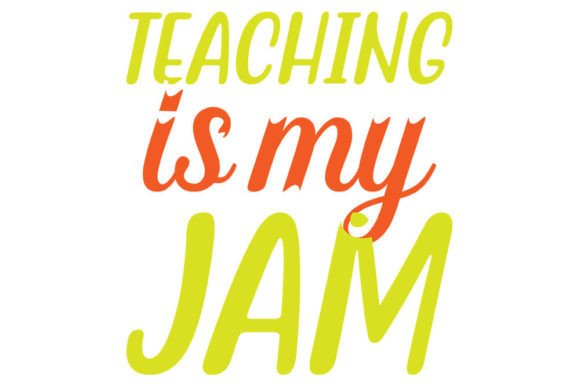
For years, the phrase "teaching is my jam" has been a playful declaration among educators who find genuine joy in the act of sharing knowledge. But in today’s rapidly evolving digital landscape, this sentiment has expanded beyond traditional classrooms. It now encompasses a broader ecosystem where creators, entrepreneurs, and hobbyists are both teachers and students simultaneously. At the heart of this shift is the need for tools that do not just instruct, but inspire. This is where the concept of Teaching is My Jam intersects with innovative hardware like the Design Teacher, creating a synergy that empowers users to master their craft while enjoying the process.
The modern creative journey is rarely linear. A graphic designer might need to learn 3D modeling overnight for a client pitch. A small business owner might need to create social media assets without hiring an agency. In these high-pressure, high-stakes environments, having a companion that bridges the gap between novice curiosity and professional execution is invaluable. The Design Teacher serves as this bridge, embodying the spirit of enthusiastic instruction by making complex design principles accessible, intuitive, and immediately applicable.
Bridging the Gap Between Inspiration and Execution
One of the biggest hurdles for aspiring artists and seasoned professionals alike is the friction between having an idea and executing it technically. Traditional learning methods often separate theory from practice. You watch a tutorial, then you try to replicate it days later, often forgetting key steps. The Design Teacher changes this dynamic by integrating lessons directly into the workflow. It is not just a tablet or a stylus; it is an interactive mentor that guides your hand and your mind.
Consider the freelance marketer who needs to produce high-quality visual content but lacks formal training in digital sculpting. With preloaded tutorials and real-time feedback, they can experiment with forms and textures without the fear of "breaking" their work. This immediate application of knowledge reinforces learning, making the skill stick. For the educator, this means less time spent on basic troubleshooting and more time focusing on creative expression. The tool effectively democratizes access to high-level design skills, allowing users to punch above their weight class in competitive markets.
Real-World Use Cases for Diverse Creators
The versatility of an all-in-one creativity tool lies in its ability to adapt to different professional and personal contexts. Here is how various users can leverage this technology to enhance their output and efficiency.
- The Solopreneur: For small business owners, branding is everything. Using the Design Teacher, an entrepreneur can sketch logo concepts, test color palettes from the built-in library, and iterate on packaging designs in a single session. This reduces reliance on external designers for minor tweaks and speeds up time-to-market for new products.
- The Educator: Teachers in art and design programs can use the device to demonstrate techniques live. The intuitive interface allows them to project their screen while annotating in real-time, showing students exactly how pressure sensitivity affects line weight or how layers interact. It transforms passive lectures into active demonstrations.
- The Hobbyist: Not everyone creates for profit. Many adults seek creative outlets for stress relief and personal fulfillment. The user-friendly controls remove the intimidation factor of professional software, allowing hobbyists to explore digital painting or 3D modeling purely for joy. The vast resource library provides endless prompts and templates to overcome creator’s block.
- The Content Creator: Bloggers and influencers need consistent, eye-catching visuals. With access to exclusive fonts and templates, they can create custom thumbnails, infographics, and story highlights that stand out in crowded feeds. The ability to switch seamlessly between sketching and digital editing streamlines their production pipeline.
Why the "All-in-One" Approach Matters
In a world of fragmented software subscriptions and disparate hardware, the appeal of an integrated system cannot be overstated. The Design Teacher consolidates sketching, drawing, digital sculpting, and 3D modeling into one cohesive environment. This consolidation reduces cognitive load. Users do not need to switch between apps to import a sketch into a modeling program. They can evolve a concept from a rough napkin-style doodle to a rendered 3D object within the same interface.
This continuity is crucial for maintaining flow state. When the technical barriers are lowered, creativity flourishes. The cutting-edge features are not just gimmicks; they are designed to remove friction. For instance, the haptic feedback might simulate the texture of charcoal or the resistance of clay, providing sensory cues that deepen the connection between the user and their digital canvas. This tactile engagement is often missing in standard touchscreens, making the learning experience feel more organic and less sterile.
Continuous Learning in a Changing Industry
The design industry is notorious for rapid change. Software updates, new trends, and emerging technologies can make skills obsolete quickly. The promise of "continuous learning" with the Design Teacher addresses this anxiety. By staying up-to-date with the latest design trends and software integrations, the device ensures that users are always learning relevant skills. It is not a static product but a evolving platform.
For the professional, this means ongoing value. Subscription-based learning models often feel like a chore, but when learning is embedded in the tool you use daily, it becomes seamless. New tutorials can be pushed based on user behavior or industry shifts. If 3D web design becomes a dominant trend, the device can offer targeted modules to help users pivot their skills accordingly. This adaptability makes it a long-term investment rather than a one-time purchase.
Considerations Before You Commit
While the benefits are clear, potential users should approach the Design Teacher with realistic expectations. It is a powerful aid, but it is not a replacement for fundamental artistic understanding. Users should consider their current skill level and goals. Are you looking to dabble, or are you aiming for professional proficiency? The depth of the tutorials suggests it caters to both, but the time commitment required to master 3D modeling is significant regardless of the tool.
Additionally, consider your existing ecosystem. Does the device integrate with your preferred cloud storage or collaboration tools? For teams, the ability to share files seamlessly is critical. For individuals, the portability and battery life might be deciding factors. It is also wise to explore the community aspect. A tool is only as good as the support network behind it. Look for active forums, user-generated content, and responsive customer service. The "Teaching is My Jam" philosophy thrives on community exchange, so a vibrant user base enhances the overall experience.
Ultimately, the Design Teacher represents a shift towards more empathetic, user-centric educational technology. It recognizes that learning is not just about absorbing information but about doing, failing, and trying again in a safe, supportive environment. Whether you are a teacher looking to inspire your students, a entrepreneur building a brand, or an artist seeking new mediums, this tool offers a pathway to mastery that is both practical and profoundly engaging. By combining expert wisdom with intuitive technology, it turns the daunting task of learning design into a joyful, manageable journey.