Strategic Foundations of Box Packaging Die-cut Template Design for Premium Brands
In the competitive landscape of consumer goods, particularly within the luxury fragrance and perfume sectors, packaging is not merely a container; it is the first tangible interaction between the brand and the consumer. A Box Packaging Die-cut Template Design serves as the architectural blueprint for this critical touchpoint. For entrepreneurs, marketing directors, and product developers, understanding the strategic utility of these templates is essential for achieving operational efficiency and brand consistency. The difference between a generic unboxing experience and a memorable brand moment often lies in the precision of the underlying structural design.
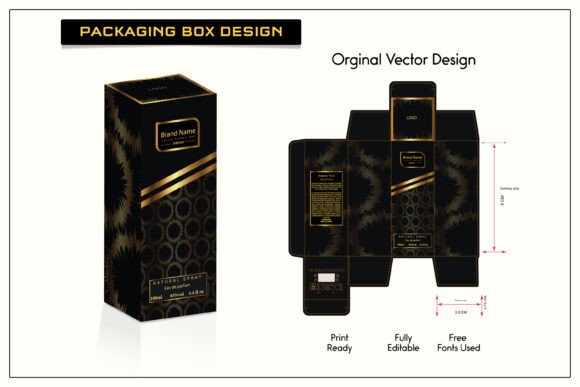
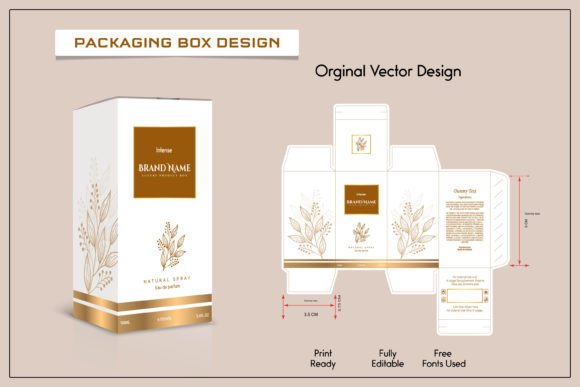
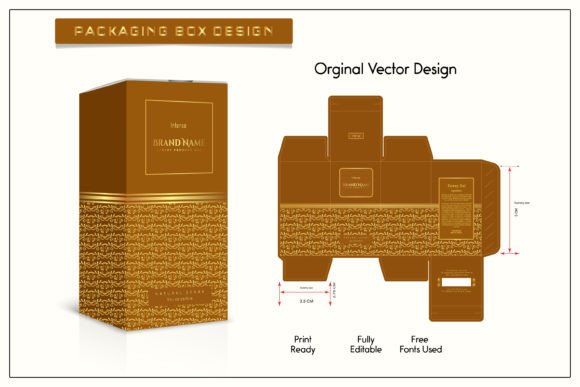
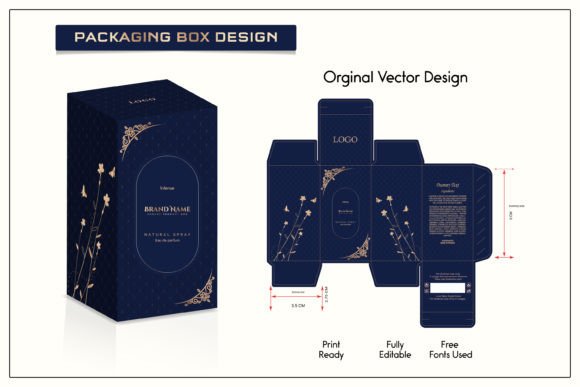
When we discuss elegant box design for Product 3D Box Packaging Design, we are addressing the intersection of engineering and aesthetics. The die line—the flat pattern that is cut, scored, and folded to create the three-dimensional object—dictates the structural integrity and visual potential of the final product. Utilizing high-quality, vector-based templates allows creators to visualize complex structures before committing to expensive physical prototyping. This pre-visualization capability is a cornerstone of modern product development, reducing waste and accelerating time-to-market.
The Strategic Value of Precision in Structural Design
The primary advantage of employing a professional Box Packaging Die-cut Template Design is the elimination of structural guesswork. In the context of luxury goods, such as a Fragrance Perfume luxury box, tolerances are tight. A millimeter of error can result in a lid that does not close securely or panels that misalign, undermining the perceived value of the product inside. By starting with a verified, industry-standard template, designers ensure that the physical constraints of the package are respected from the outset.
This approach supports better decision-making in several key areas:
- Risk Mitigation: Physical prototyping is costly and time-consuming. Digital mockups based on accurate die lines allow teams to identify structural flaws early in the design phase.
- Brand Consistency: Using standardized templates ensures that packaging remains consistent across different production runs and manufacturers, reinforcing brand identity.
- Cost Efficiency: Optimized die lines minimize material waste during the cutting process, contributing to both economic savings and sustainability goals.
Furthermore, the ability to work with Vector design Templates means that assets are resolution-independent. Whether the final package is a small sample size or a large gift set, the design elements can be scaled without any loss of quality. This flexibility is crucial for brands that operate across multiple product lines or international markets where packaging sizes may vary due to regulatory or logistical requirements.
Integrating 3D Illustration and Visual Communication
Modern packaging design relies heavily on 3D Illustration to communicate intent to stakeholders, manufacturers, and customers. A flat die line can be difficult for non-specialists to interpret. By applying artwork to a 3D model derived from the die-cut template, designers create a realistic representation of the final product. This visual clarity facilitates better communication among cross-functional teams, including marketing, sales, and production.
Consider the role of frames and Design elements within this digital environment. These components are not just decorative; they guide the consumer’s eye and highlight key information. When these elements are placed on separate layers within an editable file, designers can experiment with various compositions without altering the structural base. This layering capability is vital for iterative design processes, allowing for rapid A/B testing of visual concepts.
The inclusion of 100 original vector Design artworks in a comprehensive package provides a significant resource for creative teams. These assets, converted to any size without quality degradation, offer a library of starting points for customization. Rather than creating every element from scratch, designers can leverage these pre-existing high-quality vectors to accelerate the creative process, focusing their energy on unique brand-specific modifications rather than foundational graphic construction.
Operational Workflow and File Management
Understanding the deliverables associated with a Box Packaging Die-cut Template Design is crucial for effective workflow integration. Typically, these resources are provided in a compressed format, such as a zip file, containing multiple file types to suit different stages of the production pipeline. A standard package might include:
- AI File: The native Adobe Illustrator file, fully editable, with layers organized for easy manipulation of die lines, cut lines, and artwork.
- PDF Print File: A high-resolution, print-ready version suitable for sharing with manufacturers or for high-quality digital proofs.
- Jpg File: A rasterized preview image for quick reference, presentations, or web use.
To access these files, users will need software capable of extracting compressed archives, such as the free WinRAR or WinZip applications. It is important to note that these are DIGITAL CUT FILE resources. No physical items are mailed. This distinction is vital for setting expectations: the value lies in the digital asset’s versatility and editability, not in a physical prototype.
For professionals utilizing these templates, the workflow typically involves opening the AI file, unlocking the die-line layer, and placing custom artwork on top layers. This separation ensures that the structural guidelines remain intact while the visual design is freely modified. The ability to resize these templates to fit specific product needs allows for a high degree of customization, ensuring that the packaging perfectly accommodates the product dimensions.
Strategic Considerations and Potential Risks
While Box Packaging Die-cut Template Design offers numerous advantages, relying on them without a clear strategic framework can lead to suboptimal outcomes. One common risk is the "template trap," where designers prioritize ease of use over brand differentiation. If every brand uses the same standard die lines without modification, the market becomes saturated with visually similar packaging, diluting brand distinctiveness.
To avoid this, decision-makers should consider the following strategic questions before finalizing a design:
- Does the structure align with the brand narrative? A minimalist brand may benefit from a clean, simple fold, while a luxury heritage brand might require intricate embossing areas or magnetic closures that demand a more complex die line.
- Is the template optimized for the intended manufacturing process? Different printing and cutting technologies have varying capabilities. Ensuring the template matches the manufacturer’s specifications prevents production delays and quality issues.
- How does the design enhance the customer experience? The unboxing sequence should be intuitive and engaging. A poorly designed fold can frustrate users, whereas a well-engineered structure can create a sense of anticipation and delight.
Another consideration is the legal and ethical use of design assets. Since these templates often include 100 original vector Design elements, users must understand the licensing terms. While many templates allow for commercial use, restrictions may apply to redistribution or resale of the template itself. Clarifying these rights upfront protects the business from potential intellectual property disputes.
Long-Term Value and Brand Positioning
Investing in high-quality Box Packaging Die-cut Template Design resources yields long-term benefits for brand positioning. Consistent, well-engineered packaging reinforces perceptions of quality and attention to detail. In the luxury sector, where margins are high and competition is fierce, these subtle cues can significantly influence purchasing decisions and customer loyalty.
Moreover, the scalability of vector-based designs supports business growth. As a company expands its product line, having a library of adaptable templates allows for rapid deployment of new packaging solutions. This agility is a competitive advantage, enabling brands to respond quickly to market trends, seasonal demands, or limited-edition releases.
Ultimately, the goal is not just to create a box, but to craft a cohesive brand experience. By leveraging professional 3D Box Packaging Design tools and Vector design Templates, businesses can achieve a balance between creative freedom and structural precision. This balance is the foundation of effective packaging strategy, driving both operational efficiency and consumer engagement.
For those ready to elevate their packaging game, the next step is to evaluate current design processes. Are you relying on ad-hoc solutions, or do you have a standardized system for structural design? Integrating professional die-cut templates into your workflow is a pragmatic move toward greater consistency, quality, and strategic clarity. Remember, the template is a tool, not a crutch. Its true value is realized when used intentionally, with a clear understanding of your brand’s goals and your customers’ expectations.