Leather Background Animal Skin: Elevating Digital Design with Tactile Realism
In the rapidly evolving landscape of digital design, the demand for authenticity has never been higher. As screens become sharper and user expectations more refined, flat, two-dimensional aesthetics are increasingly giving way to visuals that evoke a sense of touch and depth. This shift is where the Leather Background_animal Skin emerges not just as a trend, but as a fundamental tool for modern creators. It represents a bridge between the physical world’s raw materials and the digital realm’s infinite possibilities. For professionals ranging from brand strategists to freelance graphic designers, understanding how to leverage high-fidelity textures is crucial for creating work that resonates on a subconscious, sensory level.
The core appeal of this visual style lies in its ability to convey luxury, durability, and sophistication instantly. When a viewer encounters a design featuring a textured leather background, their brain processes the intricate details—the grain, the pores, the subtle imperfections—and associates them with quality. This is no longer about simply placing an image behind text; it is about constructing an environment within the frame. The integration of 3D textured leather elements allows designers to manipulate light and shadow, creating a dynamic interplay that guides the eye and adds narrative weight to the composition.
The Evolution of Texture in Modern Visual Workflows
To appreciate the significance of the Leather Background_animal Skin, one must look at the broader trajectory of design technology. In the early days of web and graphic design, bandwidth limitations and processing power restricted the use of high-resolution assets. Designs were often clean, minimal, and largely flat to ensure fast loading times and compatibility across devices. However, as technology has advanced, so has the appetite for richness. Today’s workflows support massive file sizes and complex rendering, enabling the use of assets like the 5000x3333-300 dpi graphics that define this premium category.
This evolution reflects a change in consumer behavior. Users are bombarded with thousands of images daily, leading to "banner blindness" and aesthetic fatigue. To cut through the noise, brands and creators are turning to hyper-realistic textures that stop the scroll. A 3D leather surface does more than decorate; it engages. It suggests a tangible reality in a virtual space. This is particularly relevant in industries such as fashion, automotive, luxury goods, and high-end hospitality, where the perception of material quality is directly linked to brand value.
Moreover, the rise of remote work and digital-first business models has intensified the need for strong visual identity. Without physical storefronts or face-to-face interactions, digital assets must carry the entire weight of the brand experience. A meticulously crafted animal skin background provides a consistent, recognizable texture that can be applied across websites, social media campaigns, packaging prototypes, and presentation decks, ensuring a cohesive and premium brand voice.
Technical Precision: Why Resolution and Depth Matter
Not all textures are created equal. The difference between a generic stock photo and a professional-grade asset lies in the details. The specific mention of a 5000x3333-300 dpi resolution is not merely a technical specification; it is a guarantee of versatility. High DPI (dots per inch) ensures that the image remains crisp and detailed even when printed on large formats or viewed on high-density retina displays. For designers, this means the asset can be scaled, cropped, and manipulated without losing integrity.
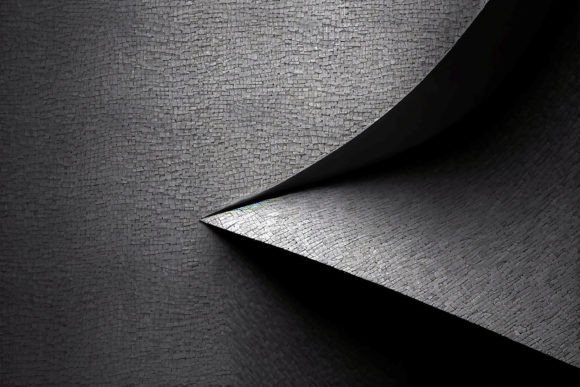
The concept of 3D textured leather goes beyond simple overlay effects. It involves a sophisticated understanding of lighting physics. In a high-quality render, the texture captures how light hits the peaks of the leather grain and casts micro-shadows in the valleys. This interplay creates a sense of volume and depth that flat images cannot achieve. When integrated into a design, this 3D effect lends authenticity, making digital mockups look indistinguishable from photographs of real objects.
Consider the practical implications for a product designer creating a mockup for a new wallet or handbag. Using a low-resolution, flat leather image would result in a lifeless presentation. Conversely, employing a premium leather background with accurate 3D lighting allows the designer to showcase how the material behaves under different conditions. This level of detail builds trust with clients and customers, who can visualize the final product with greater accuracy.
Contrast and Composition: Integrating Papercut Elements
While the richness of leather provides a strong foundation, effective design often relies on contrast. This is where the inclusion of premium papercut and 3D papercut elements becomes a powerful creative strategy. The juxtaposition of the organic, rugged nature of animal skin with the clean, precise edges of paper art creates a visually intriguing tension. It balances the dark elegance of the leather with a playful, lightweight aesthetic.
Abstract components derived from these papercut styles can serve multiple functions in a layout. They can act as framing devices, drawing attention to central content such as typography or product images. They can also introduce color palettes that complement or contrast with the neutral tones typically found in leather textures. For instance, a deep brown textured leather background paired with vibrant, layered paper shapes can create a memorable canvas that feels both grounded and energetic.
This combination is particularly effective in editorial design and advertising. The abstract textured leather provides a sophisticated backdrop that suggests heritage and quality, while the papercut elements add a modern, artistic flair. This duality appeals to a broad audience, satisfying the desire for tradition while embracing contemporary design trends. It allows creators to tell a more complex story, one that honors material roots while exploring creative abstraction.
Practical Applications for Creators and Businesses
Understanding the theoretical benefits of Leather Background_animal Skin is only the first step. The true value lies in its application across various professional contexts. Here are several ways designers and businesses can leverage this asset:
- Luxury Branding: Use the animal skin background for business cards, letterheads, and packaging inserts. The tactile implication of the visual texture reinforces the premium nature of the brand before the customer even touches the physical product.
- Web and UI Design: Incorporate 3D textured leather as a hero section background or for specific content blocks. Ensure that text overlays have sufficient contrast to maintain readability, using the texture to enhance rather than distract from the user experience.
- Social Media Content: Create eye-catching posts for Instagram or LinkedIn by layering product shots over the premium leather background. The high resolution allows for zooming in on details, encouraging engagement and longer view times.
- Presentation Decks: Elevate corporate presentations by using the textured leather background for title slides or section dividers. This adds a layer of professionalism and seriousness, suitable for pitches in finance, law, or high-end retail.
- Print Advertising: Utilize the 5000x3333-300 dpi file for large-format prints such as billboards or magazine spreads. The high DPI ensures that the grain and texture remain sharp and impactful at scale.
For freelancers and agencies, offering designs that incorporate these high-end textures can be a differentiator. It demonstrates an attention to detail and a commitment to quality that clients value. It also allows for greater creative flexibility, as the neutral yet rich nature of leather complements a wide variety of color schemes and typographic styles.
Navigating the Balance Between Realism and Usability
While the allure of 3D leather and animal skin textures is strong, successful implementation requires restraint. Overusing heavy textures can lead to visual clutter, making it difficult for users to focus on key messages. The goal is to enhance the content, not overwhelm it. Designers should consider the hierarchy of information, using the texture to support the primary elements rather than compete with them.
Accessibility is another critical consideration. When placing text over a textured leather background, ensure there is adequate contrast. Using semi-transparent overlays or solid color blocks behind text can help maintain readability while still allowing the texture to shine through. Testing designs across different devices and lighting conditions is essential to ensure that the 3D effect translates well in various viewing environments.
Furthermore, staying updated with design trends is important. While leather is a timeless material, the way it is rendered and combined with other elements evolves. The current interest in premium papercut contrasts and abstract compositions reflects a desire for hybrid aesthetics that blend the old with the new. By experimenting with these combinations, creators can keep their work fresh and relevant.
Conclusion: Embracing the Tangible in a Digital World
The Leather Background_animal Skin is more than a graphic resource; it is a testament to the enduring power of materiality in design. In an era where much of our interaction is mediated through screens, textures that evoke the senses provide a necessary anchor to reality. They remind us of the craftsmanship, quality, and care that go into creating valuable objects and experiences.
By integrating high-resolution, 3D textured leather assets into their workflows, designers and businesses can create more engaging, authentic, and memorable visuals. Whether used to convey luxury, add depth, or create striking contrasts with papercut elements, these backgrounds offer a versatile toolkit for modern creativity. As technology continues to advance, the line between the digital and the physical will blur further, making the thoughtful use of texture an increasingly vital skill for any visual professional.
Ultimately, the choice to use a premium leather background is a choice to prioritize quality and detail. It is an invitation to the viewer to look closer, to feel the depth, and to appreciate the craftsmanship behind the design. In doing so, creators not only enhance their aesthetic output but also build deeper connections with their audience, fostering trust and admiration through the power of visual authenticity.