Elevating Seasonal Merchandise with High-Resolution Halloween Tumbler Sublimation Designs
The intersection of digital artistry and physical product customization has created a vibrant marketplace for seasonal merchandise. Among the most prominent trends in this space is Halloween Tumbler Sublimation, a niche that combines the enduring popularity of personalized drinkware with the high-demand aesthetic of spooky season decor. For professionals, creators, and entrepreneurs, understanding the mechanics and market appeal of these designs is no longer optional—it is essential for capitalizing on the Q3 and Q4 retail surge. This article explores the technical specifications, design psychology, and business implications of utilizing premium, AI-generated sublimation wraps for Halloween-themed tumblers.
The Evolution of Personalized Drinkware in the Creator Economy
The custom tumbler market has matured significantly over the past decade. What began as a hobbyist endeavor has evolved into a sophisticated segment of the print-on-demand and handmade goods industry. Consumers are no longer satisfied with generic, mass-produced items. Instead, they seek unique, high-quality products that reflect their personal style and seasonal interests. This shift in consumer preference has placed a premium on design quality and resolution.
Halloween, traditionally a holiday focused on costumes and home decoration, has expanded into a lifestyle event. From office parties to school events and social gatherings, themed accessories are in high demand. The tumbler, a daily-use item, serves as a perfect canvas for this expression. However, the success of a product in this crowded market depends heavily on the visual impact of the design. This is where specialized Halloween tumbler wrap assets become critical. High-resolution, professionally crafted designs allow creators to produce merchandise that stands out on social media feeds and e-commerce platforms alike.
Deconstructing the 3D Halloween Aesthetic
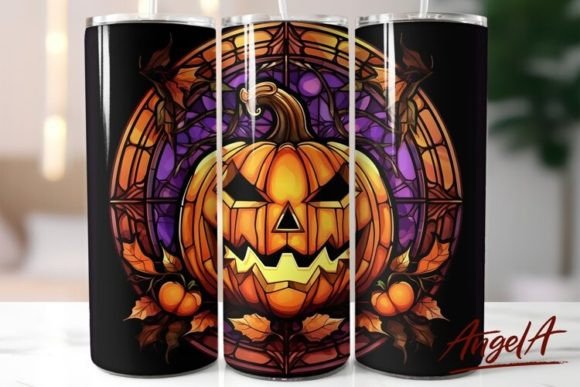
Modern sublimation design has moved beyond flat, two-dimensional clip art. Today’s trending aesthetics favor depth, texture, and dynamic composition. The concept of a 3D Halloween tumbler design refers to artwork that utilizes shading, perspective, and layering to create an illusion of depth on a cylindrical surface. This technique ensures that the design looks immersive and professional when wrapped around a curved object.
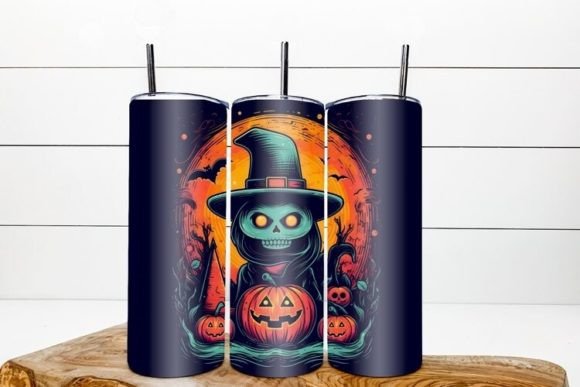
A prime example of this trend is the integration of classic horror motifs with contemporary cartoon styles. Consider a design featuring a Halloween scary monster face with a witch hat. In a traditional flat design, this might appear stiff or dated. However, in a 3D-styled render, the monster’s features can have volume, the witch hat can cast realistic shadows, and the overall composition can interact dynamically with the curvature of the tumbler. This level of detail enhances the perceived value of the final product, allowing sellers to command higher price points.
Furthermore, the inclusion of atmospheric elements, such as a moon in cartoon style, adds context and mood to the design. These background elements are not merely decorative; they fill negative space effectively, ensuring that the sublimation print covers the entire surface area without awkward gaps. For the end-user, this results in a cohesive, magazine-quality appearance that aligns with modern interior and accessory trends.
The Role of AI in Streamlining Creative Workflows
The mention of AI generated content in product design often sparks debate, but its practical application in this sector is undeniable. For entrepreneurs and freelancers, time is a scarce resource. Creating complex, high-resolution 3D illustrations from scratch requires significant skill and hours of labor. AI tools have emerged as powerful assistants that can generate base structures, textures, and character concepts rapidly.
When utilized correctly, AI allows creators to iterate quickly. A designer can generate multiple variations of a Halloween character, adjust color palettes, and refine compositions in a fraction of the time it would take to draw each element manually. This efficiency is crucial during the Halloween season, where trends can shift weekly. The ability to respond quickly to emerging aesthetic preferences—such as a sudden surge in popularity for "cute spooky" versus "horror chic"—gives businesses a competitive edge.
However, it is important to note that AI is a tool, not a replacement for curation. The value lies in the selection and refinement of these assets. Professional creators use AI-generated bases and then apply their expertise to ensure color accuracy, resolution integrity, and thematic consistency. The result is a hybrid workflow that leverages technology for speed while maintaining human oversight for quality.
Technical Specifications: Why Resolution and Dimensions Matter
In the world of sublimation printing, technical precision is paramount. A design that looks good on a screen may fail miserably if it does not meet the specific requirements of the printing process. The standard for high-quality sublimation is PNG files 300 dpi (dots per inch). This resolution ensures that when the image is printed onto transfer paper and heat-pressed onto the tumbler, the edges remain crisp, and the colors remain vibrant. Low-resolution images result in pixelation and blurriness, which immediately signals low quality to the consumer.
Additionally, the dimensions of the design must match the physical product precisely. The specification of straight designs 9.3 x 8.2 inches is not arbitrary. These measurements correspond to the printable area of standard 20oz straight tumblers, which are among the most popular sizes in the market. A design that is too small will leave white spaces, while a design that is too large may be cut off or distorted during the wrapping process.
For professionals, providing or utilizing assets that are pre-sized and high-resolution reduces waste and minimizes errors. It streamlines the production workflow, allowing for batch processing and consistent output. This reliability is essential for scaling a business, particularly during peak seasons when order volumes increase dramatically.
Market Trends and Consumer Expectations
Why are people paying attention to these specific design elements? The answer lies in the broader cultural shift towards "experiential consumption." Consumers are not just buying a tumbler; they are buying into a vibe, a community, and a seasonal experience. Social media platforms like TikTok and Instagram drive this behavior, where visually striking products are shared widely, creating organic marketing opportunities for sellers.
The demand for Halloween Tumbler Sublimation designs reflects a desire for novelty and exclusivity. Mass-market retailers often stock generic designs months in advance. In contrast, independent creators using high-quality, niche-specific wraps can offer unique items that resonate with specific subcultures within the Halloween community. Whether it is fans of classic monsters, lovers of kawaii horror, or enthusiasts of gothic aesthetics, there is a segment for every design style.
Moreover, the rise of the "maker" movement has empowered individuals to start their own micro-businesses. For these entrepreneurs, access to professional-grade design assets lowers the barrier to entry. They do not need to be expert illustrators to sell high-quality products; they need access to reliable, well-formatted design files that they can trust to produce excellent results.
Practical Applications for Entrepreneurs and Marketers
For those looking to leverage this trend, the approach should be strategic. Here are several practical considerations for integrating these designs into a business model:
- Product Diversification: While tumblers are the primary focus, these designs can often be adapted for other sublimation blanks, such as mousepads, tote bags, or ornaments, extending the lifecycle of the asset beyond October.
- Bundling Strategies: Offer bundles that include matching coasters or lids, enhancing the perceived value and encouraging larger average order values.
- Content Marketing: Use behind-the-scenes content to show the sublimation process. Videos of the heat press revealing the vibrant 3D design can be highly engaging and build trust with potential buyers.
- Quality Assurance: Always test print new designs. Colors on screens can differ from printed outputs. Ensuring that the Halloween scary monster face retains its intended hue and contrast is vital for customer satisfaction.
Conclusion: The Future of Seasonal Customization
The market for Halloween Tumbler Sublimation is a microcosm of larger trends in digital manufacturing and personalized commerce. It highlights the growing importance of high-quality digital assets, the efficiency of AI-assisted design, and the power of niche marketing. For professionals and creators, success in this arena requires more than just having a printer; it demands an understanding of design aesthetics, technical specifications, and consumer psychology.
As technology continues to advance, the line between digital creation and physical product will blur further. The availability of ready-to-print, high-resolution, 3D-style designs empowers creators to focus on what they do best: connecting with their audience and building brands. By embracing these tools and trends, entrepreneurs can navigate the seasonal rush with confidence, delivering products that delight customers and drive sustainable business growth. The key lies in recognizing that in the modern creator economy, design is not just decoration—it is the core value proposition.