Elevating Brand Presence: The Strategic Power of the Blank Office Board Mockup
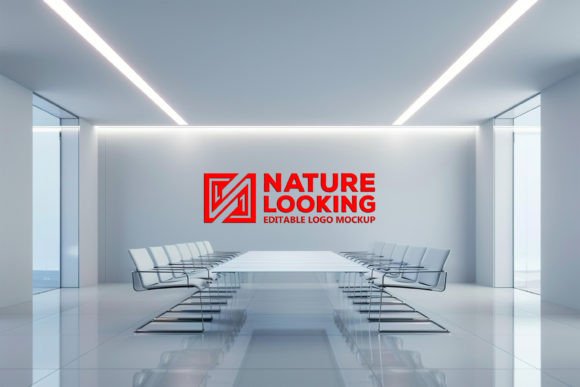
In the modern digital landscape, the gap between a conceptual design and client approval is often bridged by visualization. For graphic designers, branding agencies, and corporate marketers, the ability to present a logo or signage concept in a realistic context is no longer a luxury—it is a necessity. This is where the Blank Office Board Mockup becomes an indispensable tool in the creative workflow. It transforms flat, two-dimensional graphics into tangible assets that stakeholders can visualize within their physical environments.
The demand for high-fidelity visualizations has surged as remote work and digital presentations become the norm. Clients are increasingly less likely to meet in person to review physical prototypes. Instead, they rely on digital proofs that offer an authentic sense of scale, texture, and lighting. A versatile mockup set allows creators to showcase their graphics in an appealing manner, reducing ambiguity and accelerating the decision-making process. By integrating a blank office board into your presentation toolkit, you are not just showing a logo; you are selling the experience of the brand within a professional space.
The Evolution of Corporate Visualization
The role of office aesthetics has shifted dramatically over the last decade. Offices are no longer just functional workspaces; they are physical manifestations of company culture and brand identity. This shift has created a growing market for sophisticated design tools that cater to this new reality. The office logo mockup is central to this trend, allowing businesses to preview how their identity will integrate with their interior architecture before any manufacturing costs are incurred.
Traditionally, creating these visualizations required expensive 3D rendering software and hours of manual labor. Today, specialized mockup packs democratize this process. They provide pre-lit, high-resolution scenes that include everything from a simple white office board mockup to an elaborate 3D rendering wall logo mockup. This accessibility means that freelancers and small agencies can compete with larger firms by delivering premium-quality presentations without the overhead of dedicated 3D artists.
Furthermore, the rise of hybrid work models has changed how companies approach their physical spaces. As offices become hubs for collaboration rather than daily desks, the importance of meeting rooms and conference areas has intensified. Consequently, the need for accurate office meeting board visualizations has grown. Designers must now demonstrate how branding elements function in collaborative zones, ensuring that the visual identity supports communication and engagement.
Versatility in Design Presentation
One of the primary challenges in branding is consistency across diverse mediums. A logo that looks striking on a business card may lose its impact when scaled up for a wall installation. A comprehensive mockup set addresses this by offering a myriad of options. From a minimalist white wall mockup for those seeking clean, understated elegance to complex sign logo placements in busy corridors, these tools provide the flexibility needed to test various applications.
The utility of these mockups extends beyond simple wall placements. Modern sets often include an array of interiors, such as detailed office mockups and room mockups, which allow for a holistic view of the brand environment. Imagine presenting a rebranding proposal where the client can see their new logo on a conference table, an armchair, and a reception desk simultaneously. This level of detail helps clients understand the cohesive nature of the design system.
- Contextual Realism: See how lighting and shadows interact with the logo materials.
- Material Accuracy: Distinguish between matte, glossy, and metallic finishes.
- Scale Perception: Understand the proportional relationship between the logo and the surrounding furniture.
The inclusion of specific elements like a board logo mockup or an office board logo mockup ensures that every touchpoint is covered. Whether the design intent is bold and aggressive or subtle and sophisticated, the right mockup can amplify the intended message. For instance, a tech startup might prefer the sleek, modern look of a glass-partitioned conference board mockup, while a law firm might opt for the traditional gravitas of a wooden sign board mockup.
Enhancing Workflow Efficiency
Time is a critical resource in creative industries. The ability to rapidly iterate on designs and present multiple options is a competitive advantage. High-quality mockup sets are designed with smart objects and layered files, enabling designers to swap out graphics in seconds. This efficiency allows for more experimentation. A designer can quickly test five different color variations on a blank office board to determine which offers the best contrast and readability in a simulated office environment.
Moreover, these tools facilitate better communication with non-design stakeholders. Clients often struggle to interpret abstract vector files. When they see their logo rendered in a realistic office mockup, complete with ambient lighting and surrounding furniture, the abstract becomes concrete. This clarity reduces the number of revision rounds and minimizes the risk of misinterpretation. It bridges the gap between technical design specifications and emotional brand perception.
The integration of furniture and meeting mockups further enriches this narrative. By including elements like seating arrangements and floor plans, designers can create comprehensive scene compositions. This is particularly useful for large-scale corporate rebrands where the signage is part of a broader interior design strategy. The floor mockup and seating arrangement features allow for a spatial understanding of how people will interact with the branded environment.
The Role of 3D Technology in Modern Marketing
The underlying technology powering these mockups is advancing rapidly. The 3D mockups available today are not static images; they are dynamic representations that bring designs to life. They offer an interactive showcasing experience that static JPEGs cannot match. Some advanced sets even allow for minor adjustments in camera angles or lighting conditions, providing a customized view for each client presentation.
This technological leap aligns with broader consumer expectations for high-quality visual content. In an era dominated by social media and digital marketing, low-resolution or poorly lit presentations can damage a brand's perceived value. Using a premium armchair and table design mockup or a detailed concept and design scene signals professionalism and attention to detail. It tells the client that the designer cares about the final outcome as much as they do.
Additionally, the versatility of these sets caters to detailed needs beyond standard signage. From a specific sign board mockup for wayfinding systems to broader business mockups for marketing collateral, the scope is extensive. This comprehensiveness ensures that designers can maintain a consistent visual language across all deliverables, reinforcing brand recognition at every turn.
Strategic Implementation for Creators
To maximize the value of a Blank Office Board Mockup set, creators should approach it strategically. Rather than using the same template for every project, select the scene that best matches the client's industry and brand personality. A creative agency might benefit from the abstract world of concept and design mockups, while a financial institution might require the stability and order conveyed by a structured office meeting board scene.
- Analyze the Brand Identity: Determine if the brand is modern, traditional, playful, or serious.
- Select the Appropriate Scene: Choose a mockup that complements the brand tone, such as a minimalist white wall mockup for modern brands.
- Customize Lighting and Angles: Adjust the settings to highlight the unique features of the logo design.
- Present in Context: Use the room mockups to show how the signage fits into the daily workflow of the office.
The cherry on top of these advanced sets is the option to customize deeply. Whether it is adjusting the reflectivity of a surface or changing the background ambiance, these controls empower designers to create unique presentations that stand out. In a saturated market, the ability to offer a bespoke visual experience can be the deciding factor in winning a contract.
Ultimately, the Blank Office Board Mockup is more than a design asset; it is a communication tool. It enables professionals to articulate their vision with clarity and confidence. By leveraging these versatile resources, designers, entrepreneurs, and marketers can elevate their presentations, streamline their workflows, and deliver results that resonate with clients on a deeper level. As the boundaries between physical and digital spaces continue to blur, the importance of realistic, context-aware visualizations will only continue to grow. Embracing these tools is not just about keeping up with trends; it is about setting a new standard for professional excellence in brand presentation.