Easter Tumbler Wrap Sublimation: 3D Eggs Design Guide
The seasonal demand for personalized drinkware creates a significant opportunity for crafters and small business owners specializing in sublimation printing. Among the most popular themes during the spring months is the Easter tumbler wrap sublimation, particularly designs featuring three-dimensional Easter eggs. This specific niche combines technical precision with aesthetic appeal, requiring an understanding of both digital file preparation and physical application methods. For those evaluating whether to incorporate these designs into their product lineup, it is essential to understand the technical specifications, visual impact, and practical considerations involved in producing high-quality results.
Understanding the Design Specifications
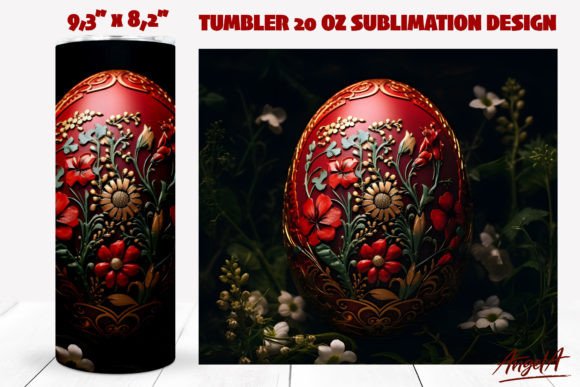
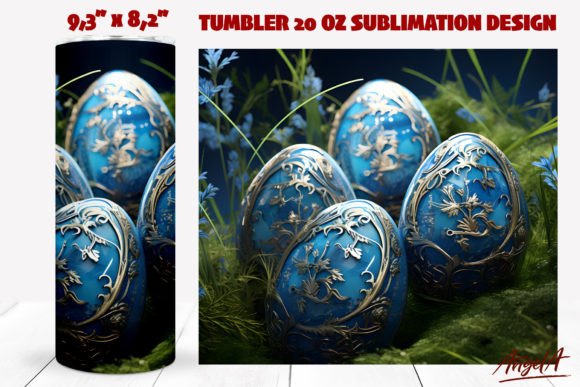
At its core, an Easter tumbler wrap sublimation design is a digital file intended to be printed on sublimation paper and transferred onto a coated metal tumbler. The specific design in question features 3D-rendered Easter eggs set against a striped background. This visual combination offers depth and texture, moving beyond flat, two-dimensional graphics to create a more engaging consumer product. The inclusion of 3D elements requires careful attention to resolution and color fidelity to ensure the final print does not appear pixelated or washed out.
The technical foundation of this product lies in the file format and dimensions. Users typically receive a ZIP folder containing a PNG file. The PNG format is critical because it supports transparency and high-color depth, which are necessary for vibrant sublimation outputs. The file is provided at 300 DPI (dots per inch), which is the industry standard for high-quality printing. Lower resolutions may result in blurry images, while higher resolutions often yield diminishing returns for this specific application size. The dimensions are specified as 9.3 inches by 8.2 inches. These measurements are not arbitrary; they are calculated to fit standard tapered tumblers, ensuring that the design wraps seamlessly around the curvature of the cup without significant distortion or misalignment at the seam.
Evaluating the Aesthetic and Market Appeal
When considering why one might choose this specific Easter tumbler wrap sublimation design, market trends play a pivotal role. Easter is a major gift-giving holiday, and personalized drinkware has become a staple in seasonal decor and gifting. The use of 3D Easter eggs adds a modern touch to traditional symbolism. Unlike flat clip-art styles, 3D renders provide a sense of realism and sophistication that can justify a higher price point in retail settings. The striped background serves a functional aesthetic purpose as well; it helps to mask minor alignment errors that can occur during the wrapping process, making it a forgiving choice for beginners while still looking professional.
For businesses, the appeal lies in the versatility of the design. The neutral yet festive nature of Easter eggs allows the tumbler to appeal to a broad demographic, from children to adults. This broad appeal reduces the risk of unsold inventory compared to highly niche or age-specific designs. Furthermore, the pre-made nature of the PNG file saves considerable time. Creating high-quality 3D renders from scratch requires advanced graphic design skills and significant time investment. By utilizing a pre-designed wrap, creators can focus on production efficiency and marketing rather than asset creation.
Benefits and Practical Considerations
The primary benefit of using a dedicated Easter tumbler wrap sublimation file is consistency. When purchasing a digital asset with verified dimensions and resolution, the creator eliminates the guesswork associated with resizing images. This consistency is crucial for batch production, where multiple tumblers need to look identical. The 300 DPI resolution ensures that the fine details of the egg textures and the sharpness of the stripes are maintained during the heat transfer process.
However, there are tradeoffs to consider. Sublimation printing is substrate-dependent. The design will only adhere properly to polyester-coated surfaces or specifically designed sublimation blanks. Attempting to use this design on ceramic mugs without a coating, or on dark-colored tumblers, will result in poor image quality or complete failure. Additionally, the color profile of the monitor used to preview the design may differ from the final printed output. Sublimation inks often print slightly darker than they appear on screen, so color calibration and test prints are necessary steps in the quality control process.
Another consideration is the physical application. The dimensions of 9.3 x 8.2 inches suggest a fit for a standard 20oz tapered tumbler. If a creator intends to use straight-walled tumblers or different sizes, the design may require adjustment. Stretching or compressing the image to fit a different mold can distort the 3D effect of the eggs, making them appear elongated or flattened. Therefore, verifying the physical dimensions of the blank tumbler against the digital file is a critical step before printing.
Situations Where This Design Is a Strong Fit
This Easter tumbler wrap sublimation design is an ideal choice for several scenarios. First, it is well-suited for small businesses looking to expand their seasonal offerings without investing in custom graphic design services. The ready-to-print nature of the PNG file allows for rapid deployment. Second, it is appropriate for crafters who have mastered the basics of sublimation and are looking to improve the perceived value of their products through higher-quality imagery. The 3D aspect elevates the product above basic clip-art designs.
It is also a strong fit for bulk orders, such as corporate gifts or school fundraisers, where uniformity and speed are essential. The striped background’s ability to conceal minor seam imperfections makes it a reliable option for high-volume production where perfect alignment on every single unit may be challenging to achieve consistently.
When to Consider Alternatives
Despite its advantages, there are situations where alternative approaches may be more suitable. If a brand relies heavily on unique, proprietary artwork to distinguish itself in the market, using a publicly available or shared design file may dilute brand identity. In such cases, commissioning a custom design or creating original artwork is a better long-term strategy. Additionally, if the target audience prefers minimalist or monochromatic aesthetics, the colorful and busy nature of 3D eggs and stripes may not align with their preferences.
Furthermore, if a crafter is working with non-standard tumbler sizes, such as skinny tumblers or oversized travel mugs, this specific dimension set will not work without significant modification. In these instances, sourcing designs specifically tailored to those dimensions or learning to create scalable vector graphics would be more efficient than trying to adapt a fixed-size PNG.
Decision-Making Insights for Creators
To determine if this Easter tumbler wrap sublimation design aligns with your goals, assess your current production capabilities and market needs. Do you have access to high-quality sublimation blanks that match the 9.3 x 8.2 inch specification? Are you equipped to handle the color management required for vibrant 3D prints? If the answer is yes, this design offers a low-barrier entry into seasonal sales with a high potential for visual impact.
It is also important to consider the support structure provided with the digital asset. The availability of assistance, such as the option to message the designer for help with problems, adds value to the purchase. Technical issues with file downloads or printing anomalies can disrupt production timelines. Knowing that support is accessible can mitigate the risks associated with digital product purchases.
In conclusion, the Easter tumbler wrap sublimation featuring 3D eggs and a striped background represents a balanced option for seasonal product creation. It combines technical readiness with aesthetic appeal, offering a practical solution for creators aiming to capitalize on the Easter market. By understanding the specifications, recognizing the benefits of pre-made high-resolution files, and acknowledging the limitations of sublimation technology, creators can make informed decisions that enhance their product offerings and satisfy customer expectations. Success in this niche depends not just on the design itself, but on the careful execution of the sublimation process and the strategic alignment of the product with market demand.